As the temperatures drop and daylight hours shorten, winter brings unique challenges for horse owners. From freezing conditions to reduced grazing, preparing your horse for the colder months is essential for their health, comfort, and well-being. Here are the key steps to ensure your horse transitions smoothly into winter.
1. Review and Update Your Rugging Strategy
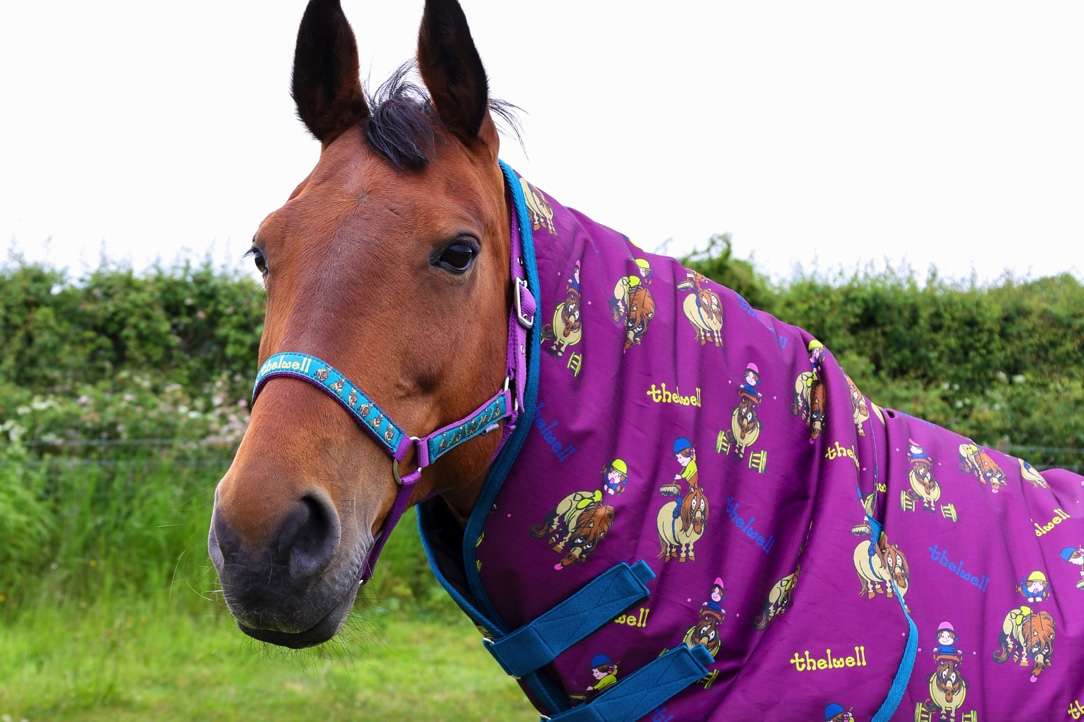
Winter demands a comprehensive approach to rugging:
- Assess your rug collection: Check all winter rugs for damage, broken straps, or worn waterproofing before the coldest weather arrives
- Layer appropriately: Have a range of weights available—from lightweight stable rugs to heavyweight turnout rugs with neck covers
- Temperature guidelines:
- Above 15°C: Unclipped horses typically need no rug; clipped horses may need a lightweight sheet
- 10-15°C: Unclipped horses may need a lightweight rug; clipped horses need a medium-weight rug
- 5-10°C: Unclipped horses need a medium-weight rug; clipped horses need a heavyweight rug or layered system
- Below 5°C: Most horses need heavyweight rugs; clipped horses may require an under-rug plus heavyweight turnout rug
- Special consideration for clipped horses: Clipped horses have significantly reduced natural insulation and will need rugging much earlier in the season and at higher temperatures than unclipped horses. They may require stable rugs overnight even when temperatures are mild, and always need adequate coverage when turned out in cold or wet conditions
- Monitor body condition: Adjust rugging based on your horse’s coat, weight, breed, age, and whether they’re clipped
- Waterproof is essential: Ensure turnout rugs are fully waterproof and breathable to protect against rain, sleet, and snow
- Check fit regularly: Winter rugs can shift more easily; ensure proper fit to prevent rubbing and cold spots
2. Adapt Feeding for Increased Energy Needs
Cold weather significantly increases your horse’s calorie requirements:
- Increase forage: Hay and haylage generate heat through digestion—offer ad-lib forage to help maintain body temperature
- Understand hay vs. haylage energy differences: Haylage typically contains more energy and protein than hay due to its higher nutritional density and digestibility. When horses don’t need to use this stored energy for heat generation (such as when heavily rugged or stabled), it can convert into unwanted energy, leading to excitability, fizzy behaviour, and increased spookiness, especially when being turned out or ridden
- Balance energy with workload: Consider your horse’s exercise level and temperament when choosing between hay and haylage. Horses in lighter work or those prone to excitability may be better suited to hay during winter, whilst those in hard work or needing to maintain condition may benefit from haylage
- Add hard feed if needed: Horses may need additional concentrate feed to maintain condition when grazing is limited, but be mindful of creating excess energy
- Consider oil supplements: Adding oil to feeds provides slow-release energy and helps maintain weight without causing fizzy behaviour
- Warm feeds: Offering warm mashes or soaked feeds can encourage hydration and provide comfort
- Monitor body condition and behaviour closely: Check regularly under rugs and adjust feeding according to both weight and temperament changes

3. Ensure Adequate Hydration
Dehydration is a serious risk in winter:

- Prevent water freezing: Check water troughs multiple times daily and break ice immediately
- Use trough heaters: Consider installing heated water troughs or using insulated buckets
- Encourage drinking: Offer lukewarm water when possible, as horses may drink more readily
- Consider forage type: Horses fed haylage may drink less than those on hay due to the additional water content in haylage (typically 50-60% moisture compared to hay’s 15-20%). Whilst this contributes to overall hydration, it’s still essential to monitor water consumption and ensure fresh water is always available
- Monitor consumption: Reduced water intake can lead to impaction colic—watch for signs of dehydration including tacky gums, prolonged skin pinch test, and dark urine
- Electrolytes: Consider adding electrolytes to encourage drinking, especially for fussy drinkers or those on haylage who may not feel as thirsty
4. Maintain Hoof Health in Wet Conditions
Winter weather can wreak havoc on hooves:

- Regular farrier visits: Maintain your 6-8 week schedule throughout winter
- Combat mud and moisture: Pick out feet daily and apply barrier creams to prevent conditions like thrush and mud fever
- Watch for hoof wall separation: Wet-dry cycles in winter can cause the hoof wall to separate from the white line. Have hoof putty on hand to fill any gaps and prevent bacteria and debris from entering
- Be prepared for abscesses: Winter conditions increase the risk of hoof abscesses. Keep an emergency kit ready including:
- Epsom salts for poulticing and drawing out infection
- Poultice material or Animalintex
- Nappies (excellent for securing poultices and keeping the hoof clean and dry)
- Duct tape and bandaging materials
- Veterinary contact details for severe cases
- Check for ice buildup: Snow and ice can pack into hooves, causing discomfort and potential injury
- Consider studs: If riding on icy or frozen ground, studs can provide essential grip and safety
- Dry standing areas: Provide well-drained, dry areas where possible to give hooves a break from wet conditions

5. Protect Against Winter Skin Conditions
Cold, wet weather creates ideal conditions for skin problems:
- Mud fever prevention: Apply barrier creams to legs, especially if turnout is muddy; dry legs thoroughly after riding
- Avoid deep litter when treating mud fever: Mud fever can be exacerbated by deep litter bedding systems, which can harbour bacteria and create a warm, moist environment. When treating mud fever, keep beds as clean as possible, muck out daily, and avoid deep litter management until the condition has fully resolved
- Rain scald watch: Check along the back and hindquarters for crusty scabs indicating rain scald
- Groom regularly: Even under rugs, regular grooming promotes circulation and allows you to spot issues early
- Clip strategically: Consider clipping patterns that balance warmth with workload—trace, blanket, or hunter clips
- Rug hygiene: Keep rugs clean and dry to prevent bacterial and fungal skin infections. Rotate rugs regularly to allow thorough drying
6. Adjust Exercise and Turnout Routines
Winter conditions require flexibility in your horse’s routine:
- Warm up and cool down thoroughly: Cold muscles are more prone to injury—extend your warm-up time significantly in winter. Equally important is a proper cool-down; consider using a hack down the lane after schooling to allow your horse to gradually return to resting heart rate and prevent muscle stiffness
- Manage icy conditions: Avoid riding on frozen, slippery ground; consider arena work or rest days when conditions are treacherous
- Maintain turnout: Horses still benefit from daily turnout for mental and physical health, even in winter
- Provide shelter: Ensure access to field shelters or windbreaks to escape harsh weather
- Maintain a balanced routine: Consistency is key to horse welfare. Keep morning and evening feeds at regular times, maintain predictable turnout schedules, and ensure stable companions remain consistent. A balanced routine enhances welfare, optimises horse health, and promotes calm, predictable behaviour—reducing stress-related issues and supporting overall wellbeing
- Watch for weight loss: Reduced grazing and increased energy expenditure can lead to condition loss
7. Boost Immune System Support
Winter stabling and reduced sunlight can impact immunity:
- Vitamin and mineral supplements: Consider vitamin E, selenium, and vitamin D supplements when grazing is unavailable
- Maintain ventilation: Even in cold weather, stables need good airflow to prevent respiratory issues
- Reduce stress: Consistent routines and adequate turnout help maintain immune function
- Monitor for illness: Watch for early signs of respiratory infections, which spread more easily in winter

8. Prepare for Emergencies
Winter weather can be unpredictable:
- Stock essential supplies: Keep extra hay, feed, and bedding in case of snow or ice preventing deliveries
- Emergency kit: Maintain a well-stocked first aid kit and ensure you have emergency contact numbers accessible
- Backup heating: Have spare rugs and consider stable heaters for very young, old, or unwell horses
- Clear access routes: Keep pathways to fields and stables clear of ice and snow for safety
Final Thoughts
Winter horse care requires vigilance, preparation, and flexibility. By proactively addressing your horse’s changing needs—from nutrition and rugging to hoof care and hydration—you’ll help them stay healthy, comfortable, and happy throughout the coldest months. Regular monitoring and quick responses to changing conditions will ensure your horse thrives all winter long.
What winter preparations have you found most effective for your horse? Share your tips in the comments below!