
Understanding Rain Scald: Prevention and Treatment for Winter Horse Care
Rain scald and mud rash are just some of the problems plaguing horses over the winter months. As the weather begins to change, we are faced with different seasonal skin diseases in our horses and ponies. Here, we take a look at rain scald, where and when it’s likely to strike, prevention, and treatment.
What is Rain Scald?
Rain scald (or rain rot) is superficial dermatitis in horses caused by the bacterium Dermatophilus congolensis.
This bacterium is a normal skin resident, but excess moisture and humidity cause the ‘spores’ to disperse and penetrate the skin, and infection occurs. It is most commonly found along the horse’s back, neck, and head, though it can affect other areas of the body when conditions are favourable for bacterial growth.
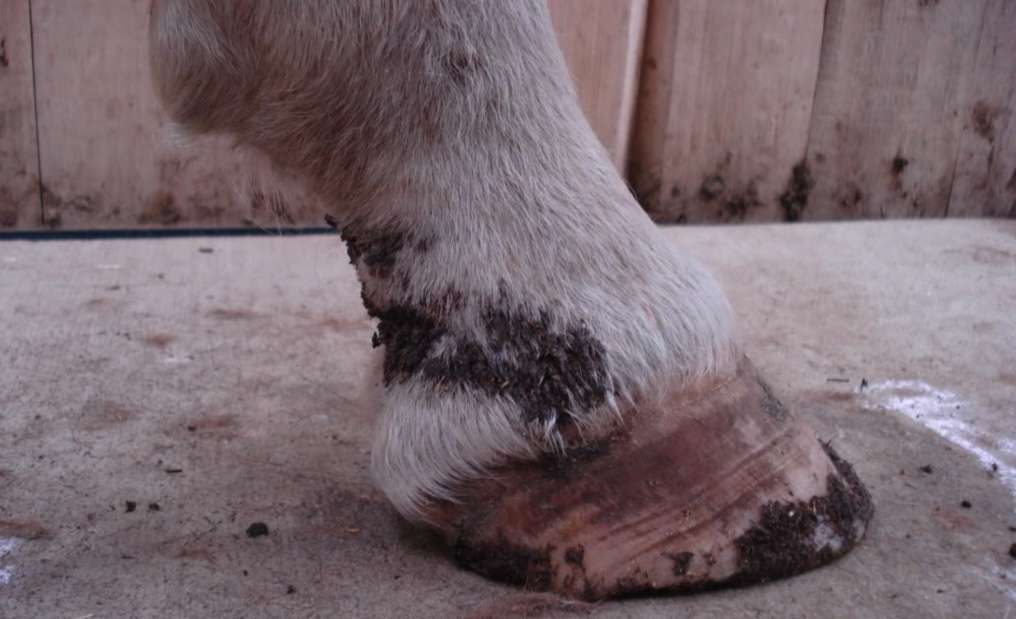
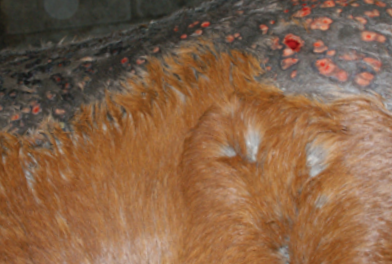
The clinical symptoms of the disease are clumps of matted hair with an ovoid-shaped scab underneath. The undersurface of the scab often has hair roots protruding through, giving the appearance of a ‘paintbrush’.
Horses are not often itchy with rain scald, but the scabs can be painful to remove as the skin is tender and oozes serum. Severe cases may mean you are unable to ride your horse due to the painful lesions under the saddle area. In particularly bad outbreaks, horses may also show signs of discomfort when being groomed or rugged.
Confirming Diagnosis of Rain Scald
The diagnosis of rain scald can usually be confirmed by clinical symptoms; however, your vet may take a hair sample, skin scrape, or swab to certify the disease and rule out other skin conditions such as ringworm or dermatophilosis.
Prevention of Rain Scald
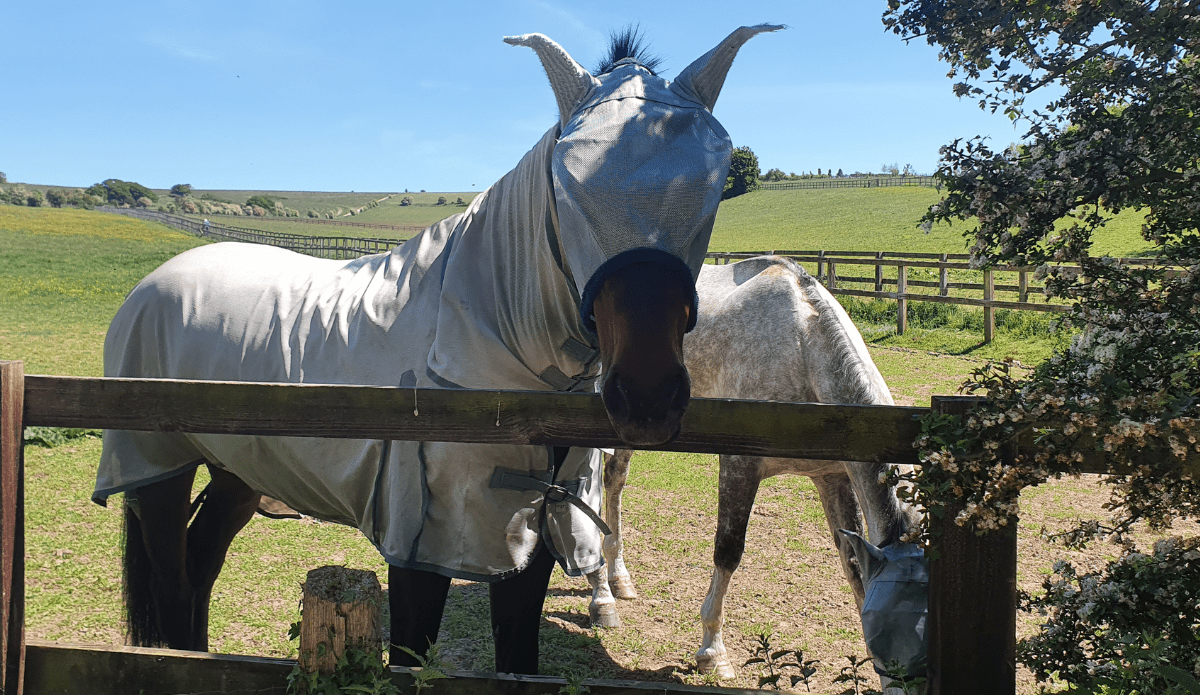
Good management can easily prevent the condition. Horses should be kept dry with appropriate rugging and stabling in wet weather. Regular checks of your horse’s skin condition during the winter months will help you catch any early signs before they develop into more serious cases.
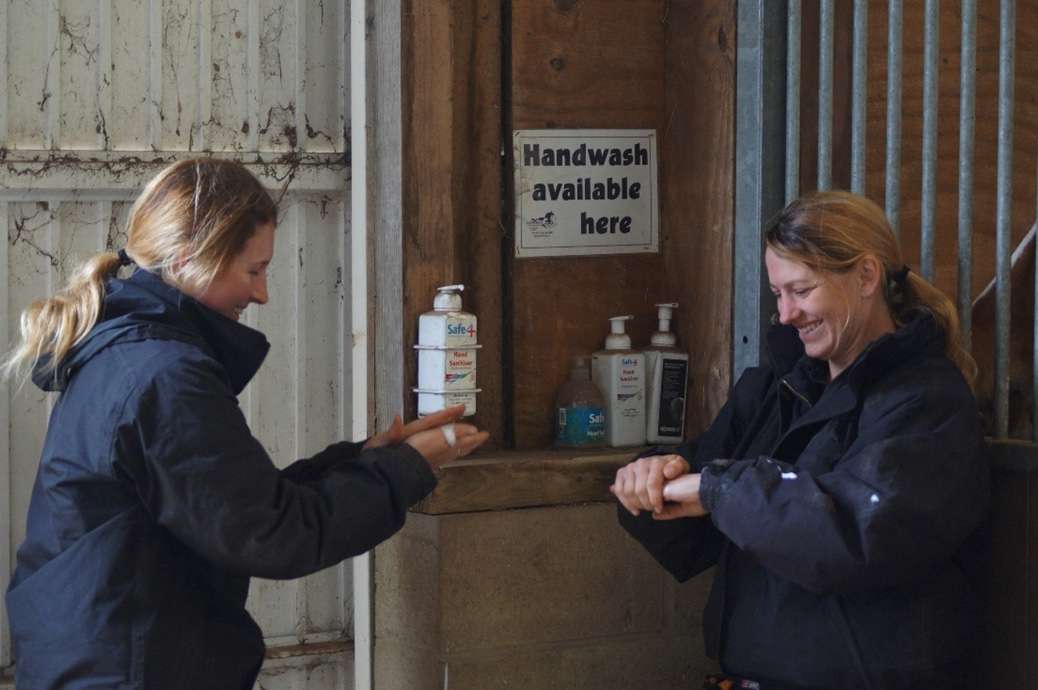
The condition can be contagious between horses through sharing of grooming brushes, clippers, numnahs, and other equipment, so take sensible precautions regarding biosecurity measures. It’s advisable to have separate grooming kits for each horse, particularly if one has shown susceptibility to rain scald in the past.
The condition can be contagious between horses through sharing of grooming brushes, clippers, numnahs, and other equipment, so take sensible precautions regarding biosecurity measures.
If your horse gets caught in a downpour, make sure you thoroughly dry him before placing any rug on. Pay particular attention to areas where water tends to pool, such as along the spine and behind the ears.
Additional Prevention Tips
- Ensure rugs are waterproof and well-fitted to prevent rubbing and moisture accumulation
- Check rugs regularly for damage or areas where water may be seeping through
- Provide adequate shelter in fields so horses can escape prolonged exposure to rain
- Maintain good field drainage where possible
- Groom regularly to remove dirt and debris that can trap moisture against the skin
- Ensure your horse’s coat is in good condition, as a healthy coat provides better natural protection
Treatment of Rain Scald
Spontaneous recovery can occur between three to six weeks, provided appropriate control and group eradication measures are in place. Horses receiving topical treatment will heal faster.
The bacteria are susceptible to chlorhexidine and povidone-iodine washes, and these washes should be used to help remove the scabs and treat the underlying skin lesions. When applying these treatments, work gently to avoid causing additional pain or trauma to the affected areas.

Topical antibacterial creams can be helpful, and in severe cases, systemic antibiotics may be warranted. Washing grooming brushes in disinfectant and avoiding sharing tack and equipment with other horses will help prevent the spread of the disease.
Horses do not develop immunity to this condition. If your horse has had it once, it may suffer again in wet conditions in the future, making prevention all the more important for susceptible individuals.
It is best to consult your vet if you think your horse may have rain scald so they can advise on the most appropriate treatment for your horse’s specific case.
Reasons for Treatment Failure
The key is to treat all affected horses in a yard or group. If a chronic carrier is not treated appropriately, then they may be a source of infection to other horses, perpetuating the problem throughout the winter season.
Repeated exposure to wet weather will significantly decrease the success of treatment. As well as topical treatment, it is vital that appropriate rugging and shelter is provided. Without addressing the environmental factors, treatment alone may prove ineffective.

Special care should be taken for elderly horses, immuno-suppressed horses, or those diagnosed with Cushing’s disease, as these individuals may be more susceptible to infection and slower to heal.
If there is an underlying disease process, your horse may not respond as anticipated to treatment, and advice from your vet should be sought. In some cases, blood tests may be recommended to rule out conditions that could be compromising your horse’s immune system.
Key Takeaways
Rain scald is a manageable condition when caught early and treated appropriately. The combination of good stable management, prompt treatment, and biosecurity measures will give your horse the best chance of avoiding this uncomfortable winter ailment. Remember, prevention is always better than cure, so investing time in keeping your horse dry and monitoring their skin condition will pay dividends throughout the wetter months.
Editorial contribution: Portions of this article were written by Nancy Homewood BVetMed MRCVS, providing expert veterinary insight into the diagnosis and treatment of rain scald.