Botswana is one of those places that properly sticks with you after you’ve been. It’s landlocked in Southern Africa, but don’t let that fool you, it’s packed with some of the most unreal wildlife, landscapes, and cultural bits you’ll ever come across. From the massive, watery maze of the Okavango Delta to the dry, dramatic stretches of the Kalahari Desert, the country is basically a full-on contrast machine. Every corner feels different, like you’ve crossed into a new world without even leaving the same country.
Planning your itinerary properly
Botswana isn’t really the kind of place where you just wing it and hope for the best. Distances are big, roads can be rough, and the best spots are often properly remote. So having a decent plan is key.
The Okavango Delta is usually top of most people’s lists, and for good reason. It’s a massive inland delta full of wildlife, elephants, hippos, crocodiles, birds everywhere, the lot. If you’re into nature and wildlife, it’s basically non-negotiable.
Then there’s Tsodilo Hills, which is a bit of a hidden gem compared to the safari-heavy stuff. Locals sometimes call it the “Louvre of the Desert”, which sounds dramatic but actually makes sense once you see the ancient rock paintings scattered across the area. (It’s like an open-air museum, but with zero walls and a lot more sand.)
Picking the right time to go
Timing your trip is a big deal in Botswana because the seasons completely change the vibe.

The dry season, which runs roughly from May to October, is when things get really good for wildlife spotting. Animals tend to gather around rivers and waterholes, so you’ve got way better chances of seeing loads of different species without having to hunt around for them.
Then you’ve got the wet season from November to April. Everything turns green, the landscapes look incredible, and it’s prime time for birdwatching because all the migratory birds rock up. (It’s basically nature on full display mode.) The downside is that some areas can get flooded or harder to reach, so travel can be a bit more unpredictable.
Getting into a safari experience
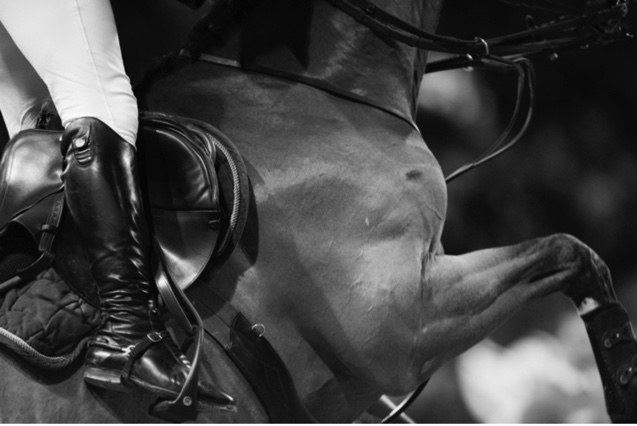
If you want to see Botswana in a way that feels a bit more raw and immersive, a horseback safari botswana is honestly one of the coolest options out there.

Instead of sitting in a jeep, you’re literally riding through the wilderness on horseback, moving quietly through the landscape while wildlife does its thing around you. It feels way more personal and low-key compared to traditional safaris, and you end up noticing loads of small details you’d probably miss otherwise. (Like tracks, sounds, and animals reacting naturally without engine noise around.)
There’s something mad about being that close to nature without a barrier between you and the environment. It’s calm, but also proper exciting at the same time.
What to pack without overthinking it
During the day, it can get properly hot, so light, breathable clothes are a must. But once the sun goes down, temperatures can drop quite quickly, especially in desert areas, so a warm layer or jacket is definitely worth chucking in.
Good walking shoes are essential too, because you’ll likely be on uneven ground a lot. And yeah, don’t forget a hat and sunscreen unless you fancy getting absolutely cooked by the sun.
Insect repellent is another big one, especially in wetter areas. And binoculars? Absolutely worth it. You’ll regret not having them when there’s wildlife in the distance doing its thing.
Staying safe and not acting like a tourist nuisance
Botswana is generally a safe place to travel, but like anywhere, you’ve still got to keep your wits about you.
If you’re on safari or doing guided trips, listen to your guide properly. They know the land, the animals, and what not to do, and that stuff matters more than people think. Getting too close to wildlife or ignoring instructions isn’t just risky for you, it can mess things up for everyone.
Also worth remembering that you’re a guest there. Respect local customs, be polite, and don’t treat places like they exist just for photos.
Botswana’s culture beyond the wildlife
A lot of people go to Botswana for the safari side of things, but there’s a whole cultural layer that often gets overlooked.
One of the most important groups are the San people, sometimes called Bushmen, who’ve lived in the region for thousands of years. Their knowledge of the land, survival skills, and traditions are seriously impressive.
Visiting a San community gives you a completely different perspective on Botswana. You get to see how people have lived in harmony with some of the harshest environments for generations, relying on skills that have been passed down over centuries.