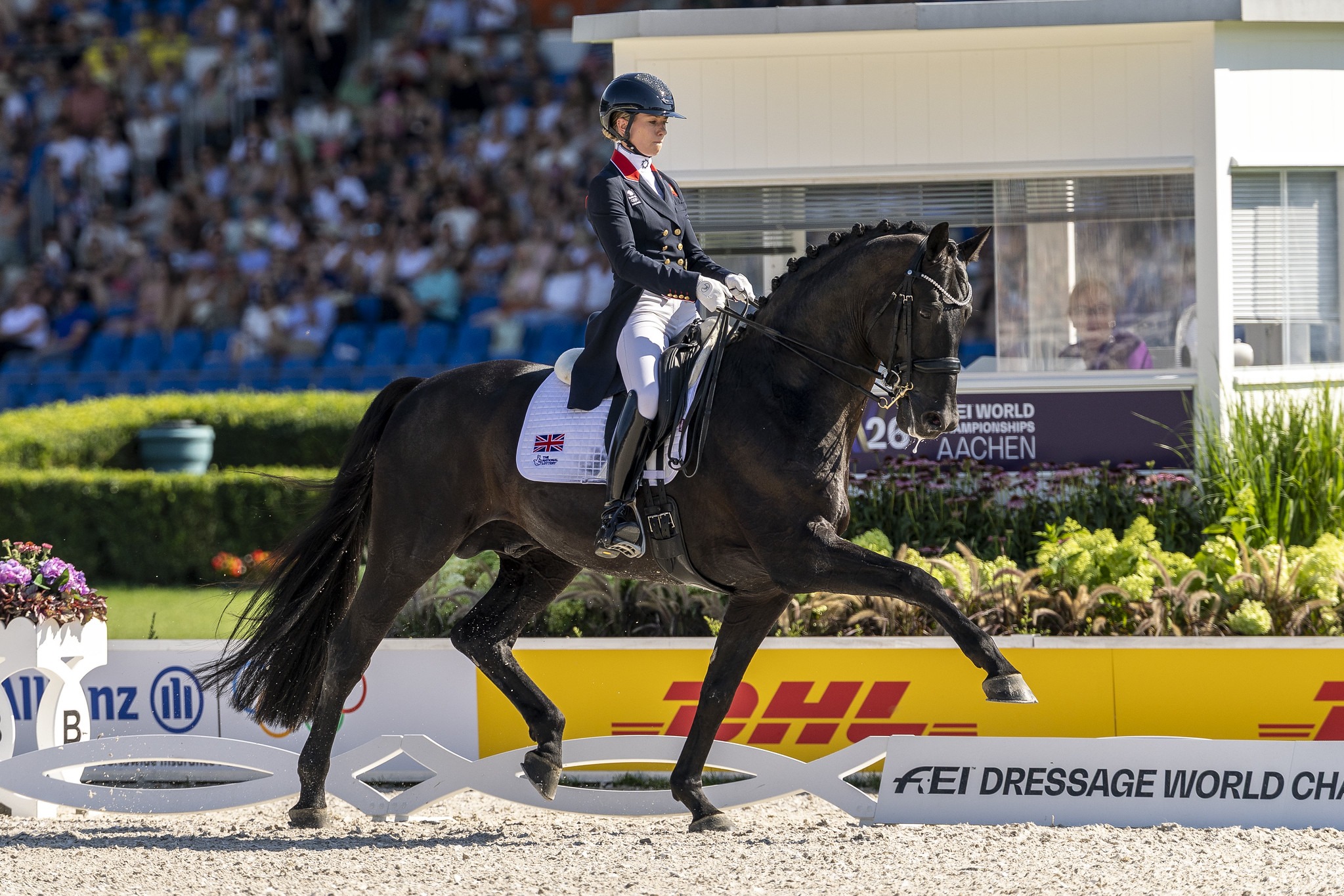
Equestrian sports have changed a lot over time. Long ago, people rode horses for survival, war, or travel. As years passed, riding turned into a sport that showed skill and teamwork.
Riders learned new ways to train and control their horses. Horses became trusted friends, not just workers. Competitions grew popular and more varied.
Today, equestrian sports mix old traditions with new ideas. They focus on balance, grace, and the strong bond between horse and rider. Let’s see how this journey shaped the sport we know and enjoy today.
The Origins
Early equestrian activities began out of need. People relied on horses for travel, hunting, and survival. Riding skills grew as communities learned to work closely with their animals.
Over time, these daily tasks turned into displays of strength and control. Simple contests showed who had the best training and the most reliable horse. These early practices would later inspire organised events.
The bond between riders and horses formed the foundation of equestrian sport. This period shaped traditions that still influence how riders train today.
The Renaissance
During the Renaissance, horsemanship became an art. Riders focused on elegance, balance, and precision. Courts across Europe developed formal training methods that highlighted beauty and discipline.
Riding schools taught advanced movements that later became key elements of dressage. Horses were bred for agility and grace. Noble families sponsored events that showcased refined skills.
The sport moved from practical use to a recognised form of entertainment and competition. This era brought structure and sophistication. It helped elevate equestrian riding into a respected discipline that valued harmony between horse and rider.
Establishing Formal Competitions
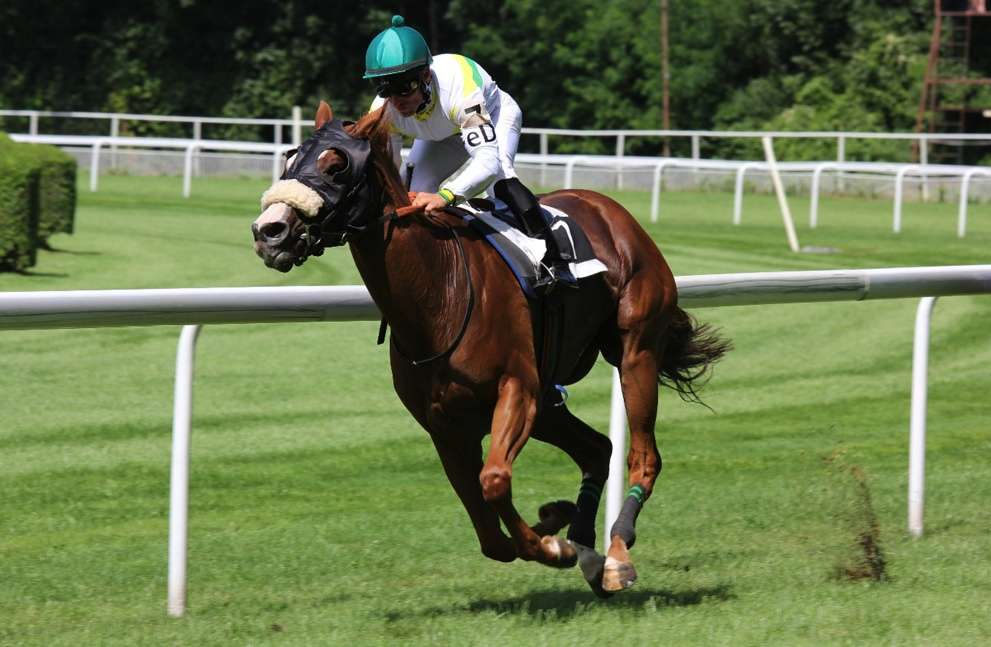
As societies grew, structured equestrian competitions emerged. Clubs and military schools created rules that shaped modern events. Riders competed in:
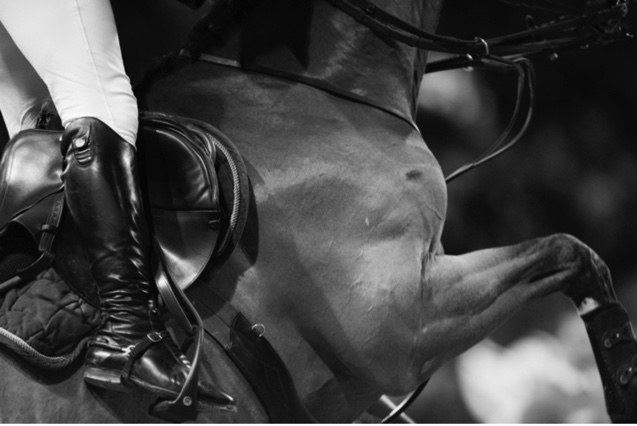
• jumping
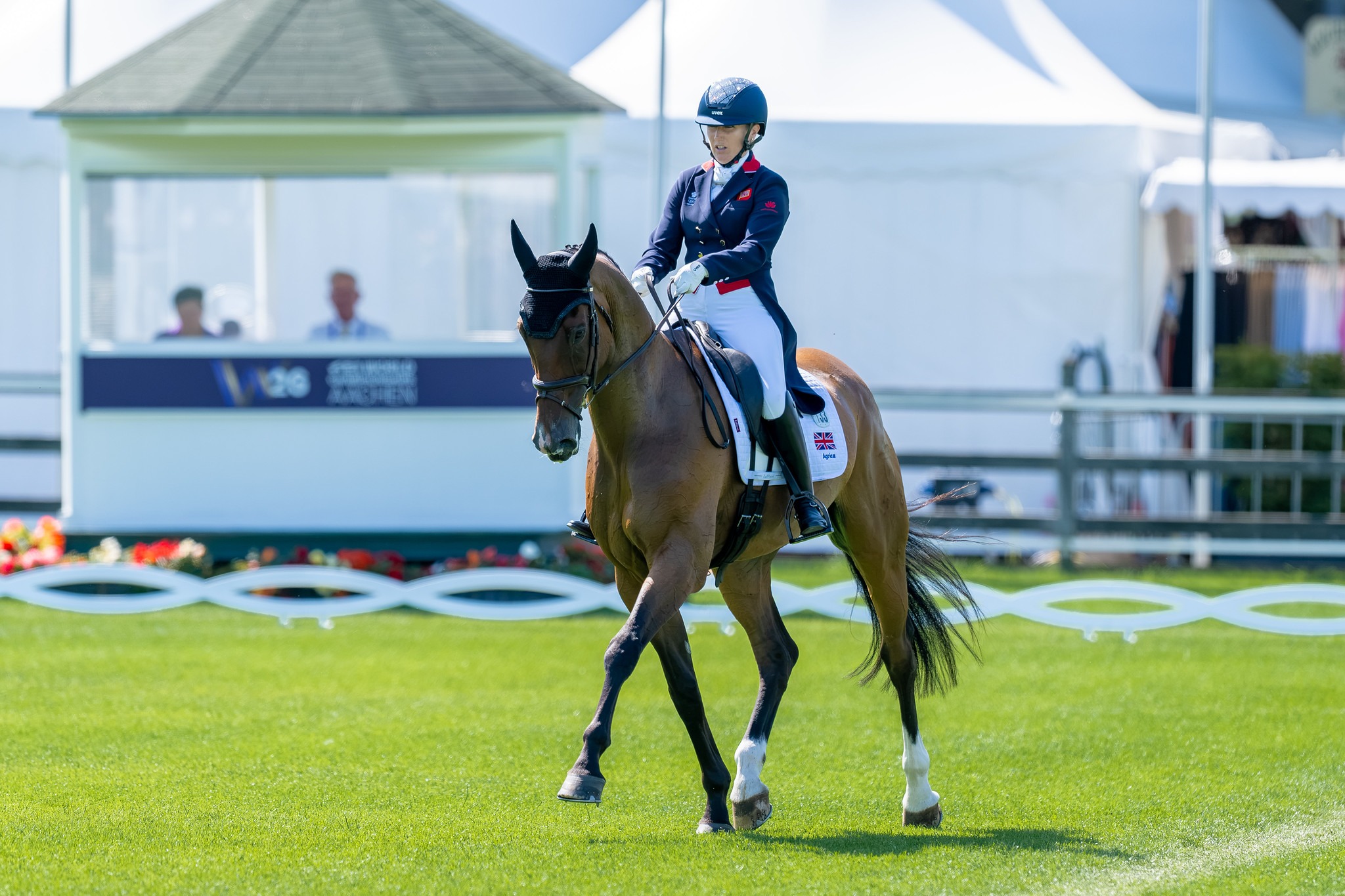
• dressage
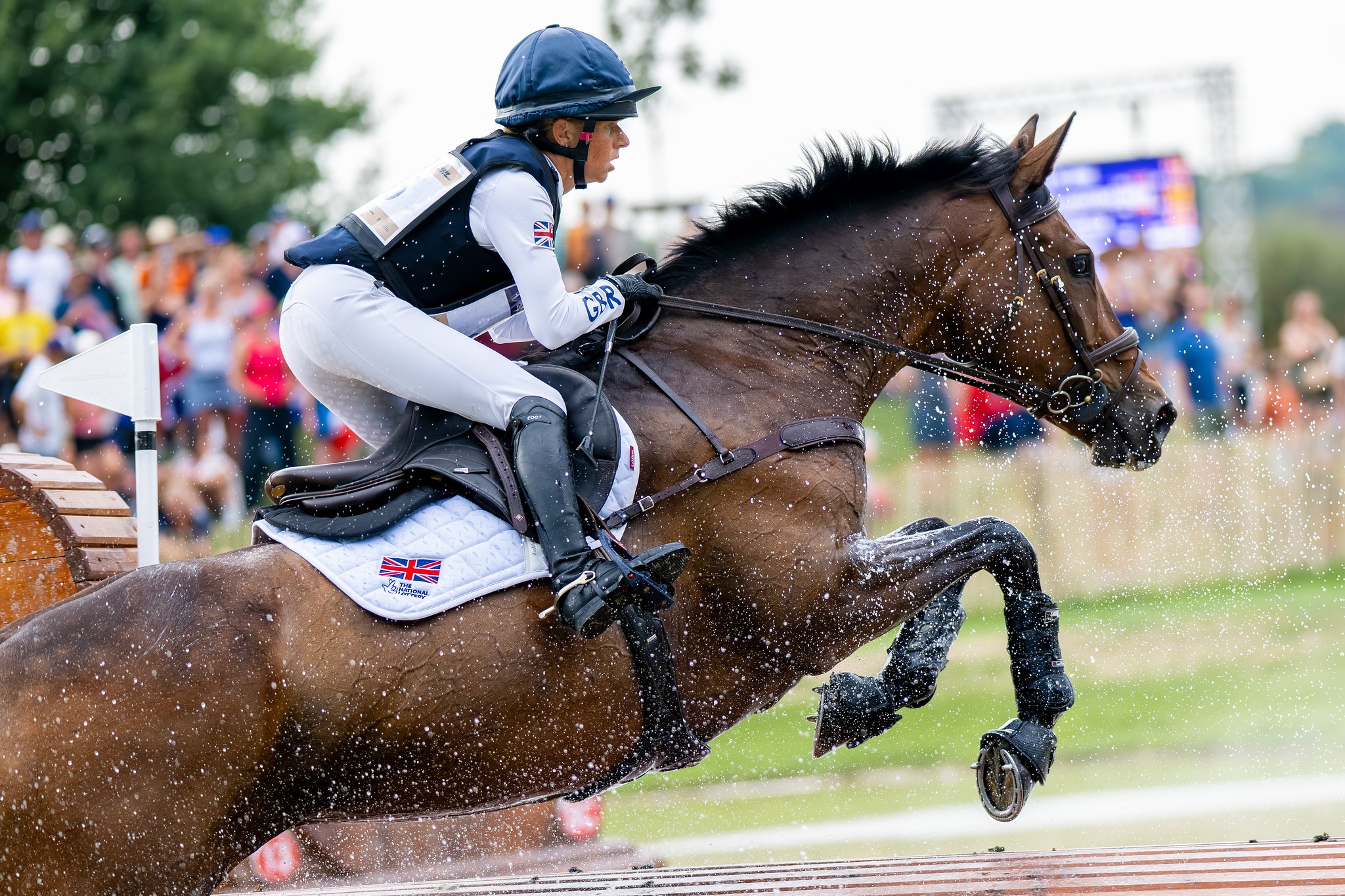
• cross-country challenges
Standards for judging and performance became more defined. These organised contests spread across regions and drew larger audiences.
Riders could now measure their skills with fairness and clarity. Formal competitions helped transform equestrian activities into a worldwide sport with lasting traditions.
Expansion and Globalisation
Countries shared training styles, techniques, and event formats. International groups formed to regulate competitions and protect horse welfare.
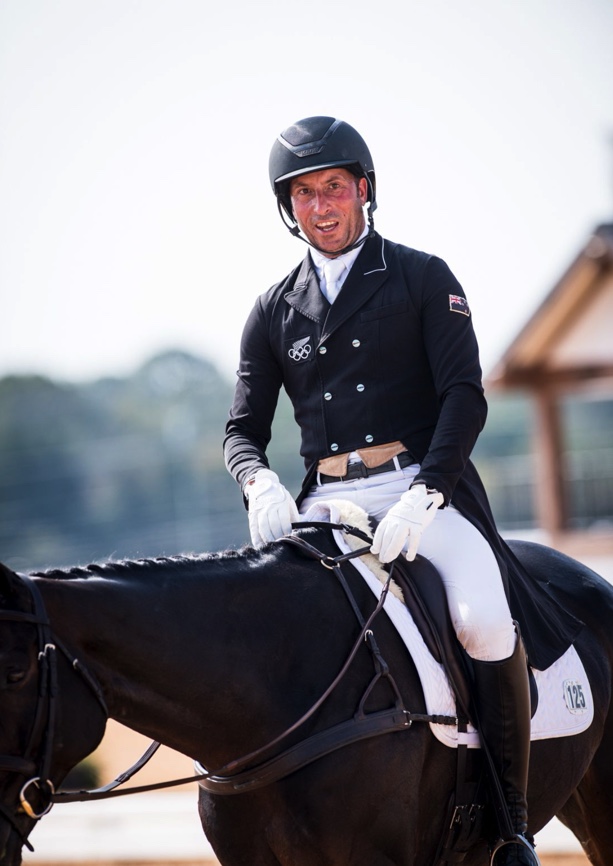
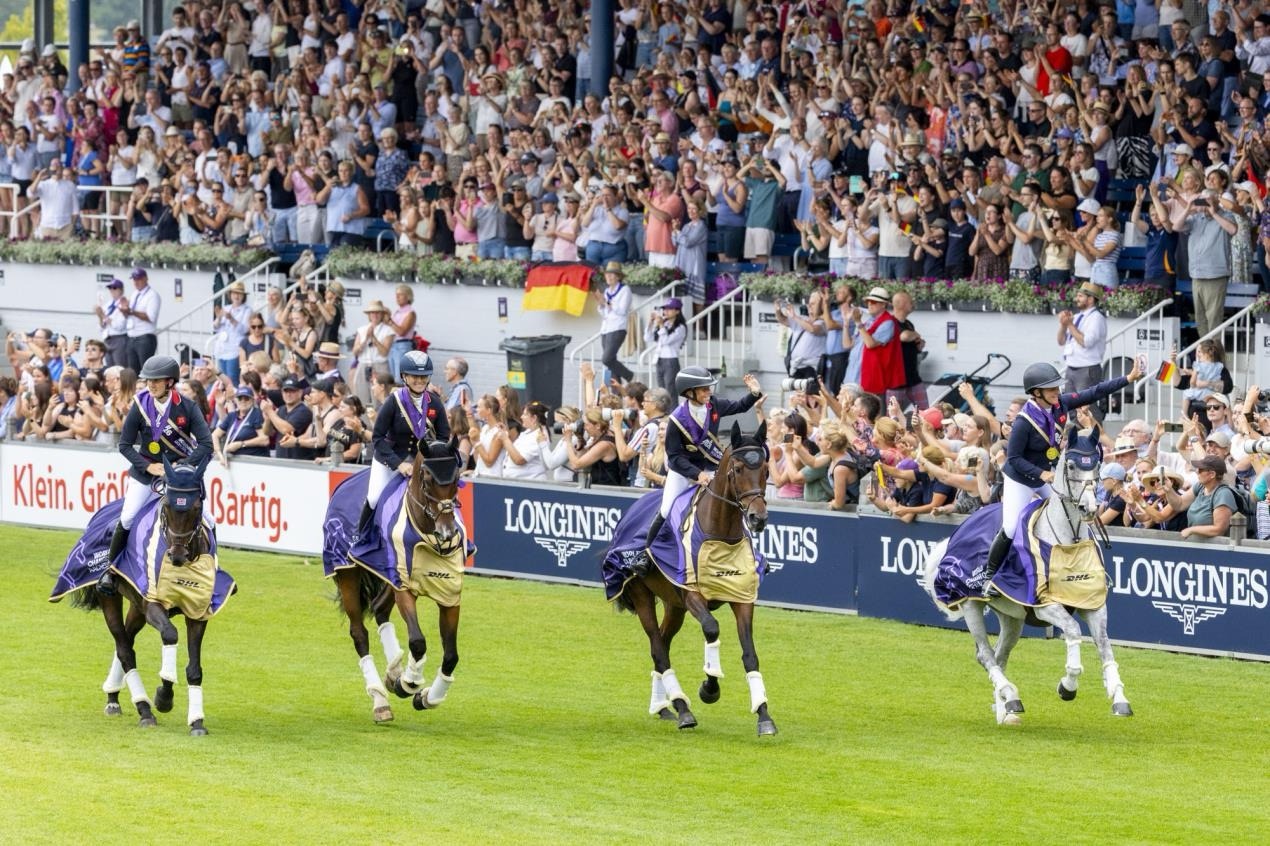
The Olympics included equestrian events, which boosts global interest. Riders from different cultures learned from one another and raised performance standards.
Horses became athletes recognised globally. This growth helped the sport reach new audiences.
The Modern Era
In the modern era, equestrian sports blend tradition with innovation. Advanced training tools, better safety gear, and improved horse care help riders reach new levels. Events are more diverse and accessible.
Global competitions draw fans who love the energy and skill of each performance. This info about the Defender Kentucky Three-Day Event adds to this excitement by showcasing top riders and powerful horses.
Technology enhances how people watch and learn about the sport. Today’s equestrian world values precision, partnership, and progress. It continues to grow while honoring its deep roots.
Celebrating the Equestrian Legacy
Honoring the equestrian legacy means recognizing the rich history, passion, and partnership that shaped this remarkable sport. Each chapter shows how riders and horses grew together through skill and trust.
If you want to discover more, now is the perfect moment to explore deeper stories, follow events, and support the community. Stay curious and join in celebrating a heritage that continues to move and inspire riders around the world.
Did you find this article helpful? Check out the rest of our blog!