


It’s all about terminology. Yes, of course, horse racing is also about passion but if you don’t know the right terminology, you won’t even be able to speak to fellow horse lovers. It’s not just horse betting jargon you need to know; it’s also the right terminology for simply watching and enjoying the sport.
However, if it’s horse racing that you’re after, then knowing the jargon is critical because this is an industry that moves incredibly quickly and you need to know what you’re doing if you want to make informed decisions. Like anything in today’s digital age, the pace is fast and the pace of horses and horse racing is even faster, so merging these worlds means you need to know what you’re doing. So, without further ado, it’s time to give you a crash course in some of the most important bits of jargon.
Understanding the Bet Types
There are more ways to bet on a horse race than simply picking the winner. Knowing the types of bets available helps you choose one that suits your risk level and interest.
- Win: The simplest type of bet. You’re backing a horse to come first.
- Place: You’re betting that your horse will finish in one of the top positions. The number of places paid depends on how many runners are in the race.
- Each-way: A combination of a win and a place bet. If your horse wins, both parts pay out. If it places, you still get a return, usually at reduced odds.
- Forecast: You’re predicting the first and second horses in the exact order.
- Reverse forecast: Similar to a forecast but the two horses can finish in any order, as long as they’re first and second.
- Tricast: Picking the first three horses in the exact order. Tough to land but offers high returns.
Sound tricky? Well, if you’re just starting out, then it should but after a while, you will get the hang of it quickly. You just need to learn the terminology sport for sport. You see, with Horse Racing Betting, you’ll have different words that you need to learn than if you were to bet on basketball or baseball, for example. So it’s also sport-specific.
Decoding the Odds
Odds tell you how much you’ll win relative to your stake and how likely the bookmakers think a horse is to win. In the UK, fractional odds are the most commonly used.

- 5/1 (five to one) means you’ll win £5 for every £1 you stake, plus your original stake back.
- 2/5 (two to five) means you need to stake £5 to win £2. These are shorter odds, indicating a strong favourite.
You might also hear terms like:
- Evens: Odds of 1/1. You win the same amount you stake.
- Odds-on: The return is less than your stake. For example, 1/2 means you win £1 for every £2 staked.
Understanding odds can help you quickly gauge how competitive a horse is expected to be in the race.
Common Horse Racing Terms
Horse racing has its own language, even outside the betting world. These terms often appear in race cards, commentary or tips from more experienced punters.

- Nap: A tipster’s strongest bet of the day.
- Drifter: A horse whose odds are getting longer, possibly due to lack of support or changes in race conditions.
- Steamer: The opposite of a drifter. A horse whose odds are shortening, usually due to a lot of betting activity.
- Going: Refers to the condition of the racetrack. For example, ‘soft’, ‘good’ or ‘firm’ ground. Horses perform differently depending on the going.
- Handicap: A race where horses carry different weights, assigned by the handicapper to level the playing field.
- Form: A summary of a horse’s recent performances. Typically shown as a string of numbers and letters next to the horse’s name.
- Pulled up (PU): The jockey has stopped the horse mid-race, often due to injury or poor performance.
- Faller (F): A horse that has fallen during the race.
Understanding these terms helps when reading a racecard or listening to analysis before and during a meeting.
What to Look for on a Racecard
A racecard might seem packed with numbers and abbreviations but once you break it down, it’s a helpful tool. It includes vital information such as:
- Horse’s name and age
- Jockey and trainer
- The weight the horse is carrying
- Recent form figures
- Draw (stall number, particularly important in flat races)
- Official rating
It also shows the distance of the race, the type of race (e.g. handicap, maiden) and the going. All of this gives you a clearer picture of how well-suited each horse might be to the day’s conditions.
Jargon Around Jockeys and Trainers
Sometimes you’ll hear terms that relate more to the people involved in the race than the horses themselves.
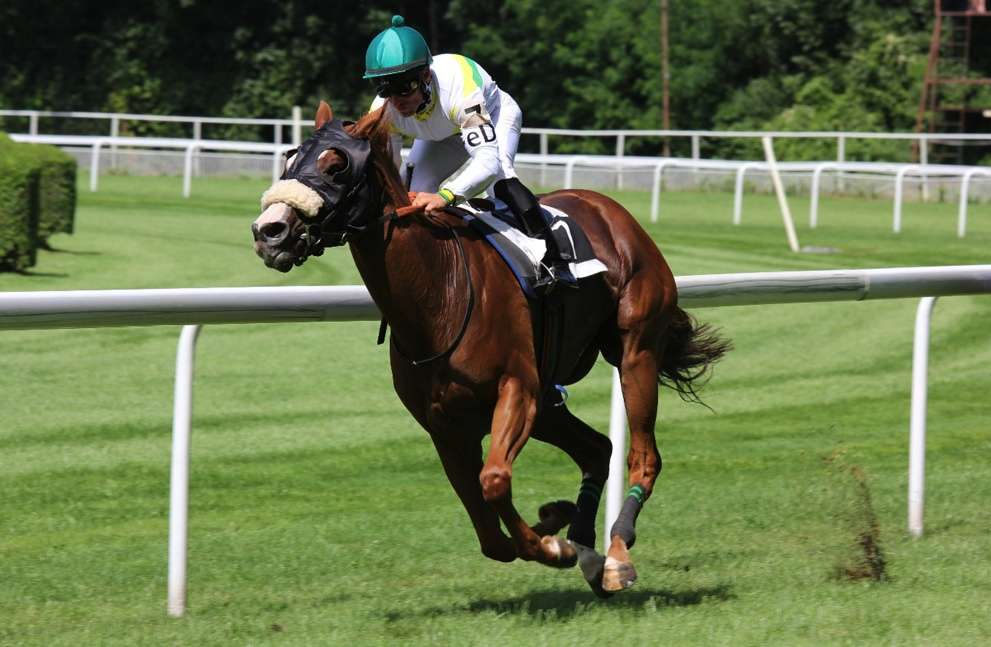
- Apprentice: A young or less experienced jockey who receives a weight allowance in certain races.
- Claiming: A jockey’s allowance that reduces the weight their horse carries. For example, a “7lb claimer” reduces the burden by seven pounds.
- Yard: Another term for a trainer’s stable.
- In form: A trainer or jockey who’s been having recent success.
Paying attention to which jockeys and trainers are on a winning run can help inform your choices.
Well, there you have it, everything you need to know to understand horse race betting.












Leave a Reply