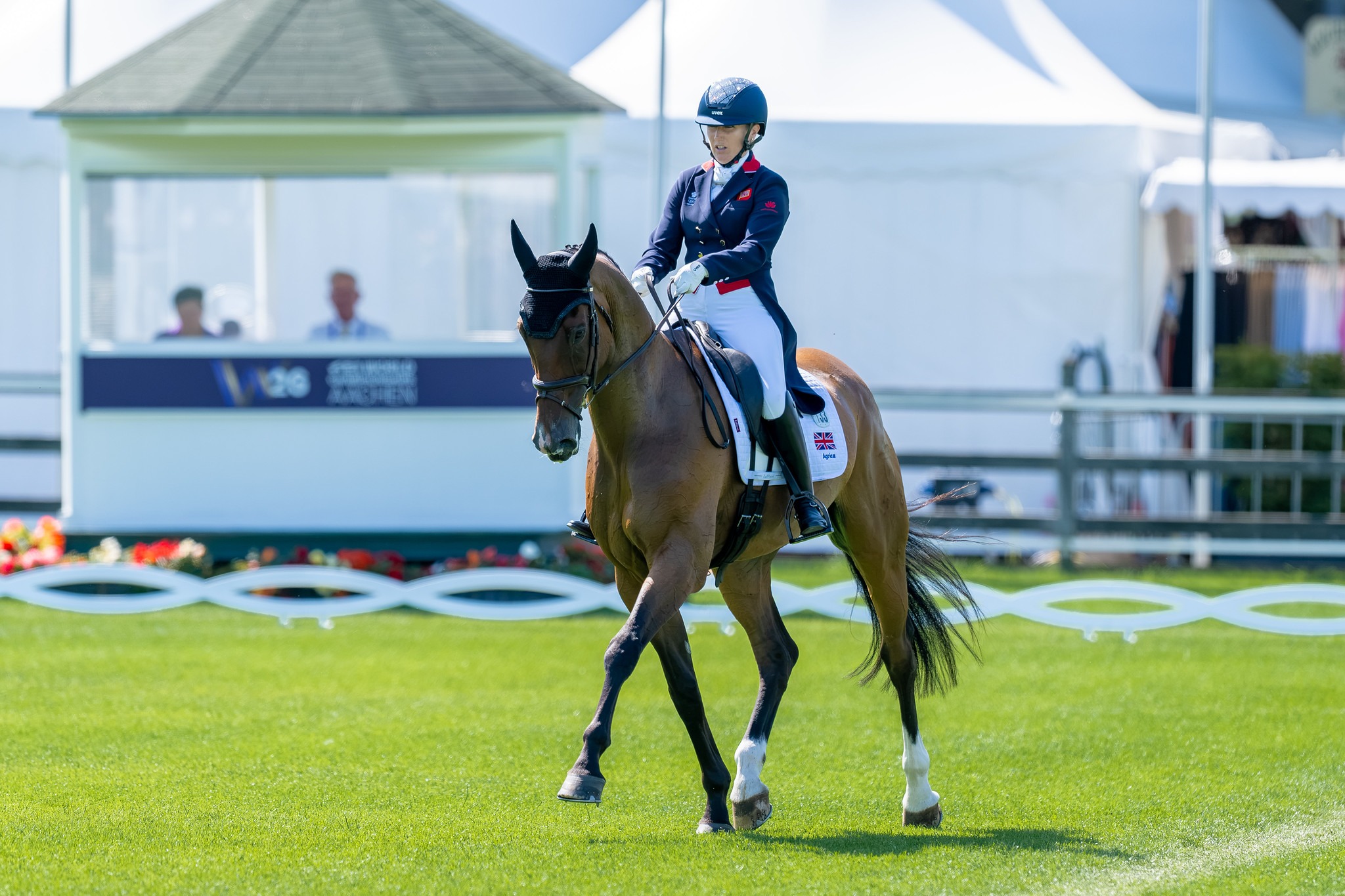
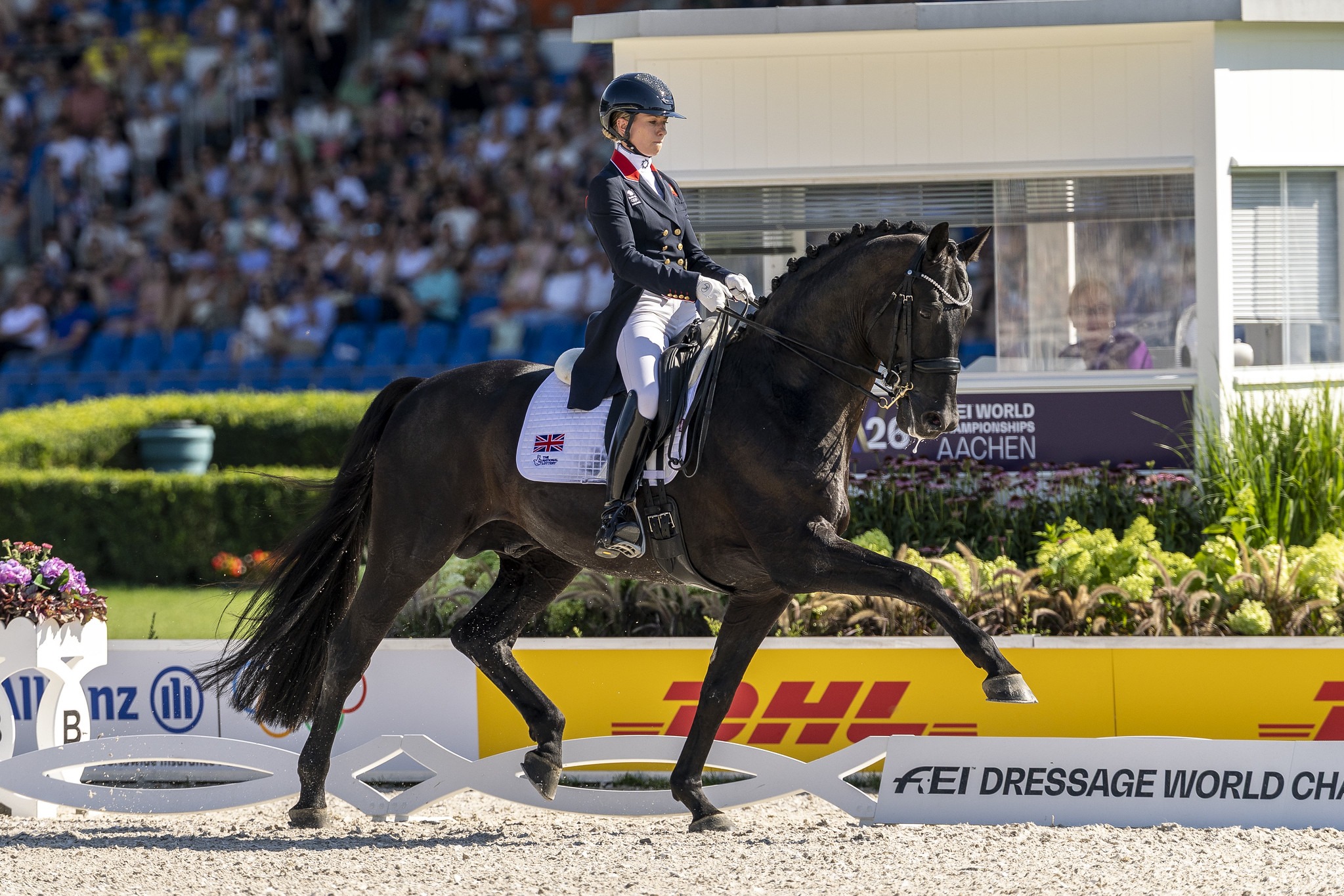
When you think about caring for horses, hay is often at the heart of everything.
Anyone who’s spent time with these wonderful animals knows that what goes into their feed bucket each morning truly shapes how they feel, look, and perform – whether it’s a fresh gallop on frosty grass or a quiet moment at the stable door.
Horses: Health Starts in the Hay
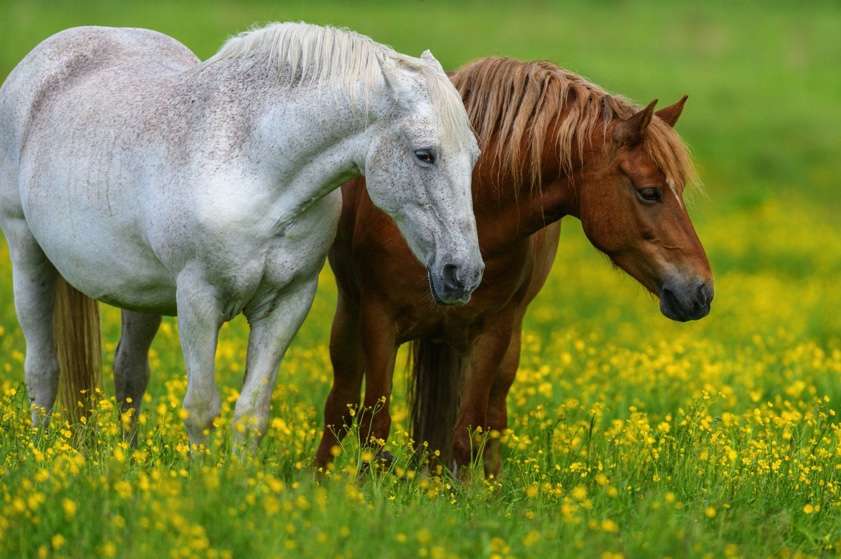
Horses aren’t just big; they’re sensitive and complex when it comes to diet. They’re natural grazers, built to thrive on fibre from well-maintained pastures and sun-cured hay.
The right hay keeps their digestive systems at its optimum performance, helps maintain a healthy weight, and carries them through the changing British seasons, when the grass outside isn’t quite enough.
A bale of great hay means more than calories. It’s a bundle of nutrients—proteins for growing foals and mares, gentle fibre for older horses, and just the right amount of energy for those easy keepers.
Even something as simple as dust can make a difference; horses with sensitive airways rely on fresh, clean hay to avoid coughs and discomfort. Over years of feeding and caring, we’ve seen that the horses who enjoy quality forage shine brightest, inside and out.
It’s Not Just About Horses
But here’s something every animal lover should hear: it’s not just horses who need good hay. Walk into any home with rabbits, guinea pigs, or even chinchillas, and you’ll see the same story playing out on a smaller stage.
These pets rely on hay for nearly every part of their health. For them, it’s not just a tasty treat—it’s the bulk of their diet and a key to keeping their stomachs and teeth happy.
Rabbits and guinea pigs, especially, need hay for proper digestion, preventing those dreaded tummy upsets, and keeping their ever-growing teeth in check.
The simple act of nibbling through a pile of fresh hay keeps them busy, curious, and content.
When hay isn’t up to scratch—when it’s musty, coarse, or riddled with dust—small animals are the first to suffer. We’ve heard from countless pet owners relieved to see their companions perk up after switching to cleaner, greener hay.
The Difference of Quality Hay
Hay experts such as the team at HayDay think about every stage: working with local fields, harvesting at just the right moment, sorting each bundle, and making sure what arrives is fresh, soft, and inviting.
Their team is made up of animal people, just like you – who know the difference between a horse eager for its breakfast and a bunny happily burrowing into its hay pile.
There should always be a check for colour, scent, and softness – because animals know when hay is good, even if we’re slow to notice.
The goal is simple: every offering should make tails wag, noses twitch, and hooves paw impatiently for mealtime.
Quality Is Worth It
Choosing the right hay isn’t just about being practical or saving money. It’s about looking out for the health and happiness of every animal, large and small, who depends on you. Whether you’re caring for and need bales of hay for horses or a box for a single, much-loved guinea pig, better hay makes life better.
We invite you to see, smell, and share HayDay difference. From our barns to your stables and hutches, we’re passionate about making sure every animal gets the kind of forage that helps them thrive.
If you ever have questions about choosing the best hay for your animals—whatever their size—our team is always here to help. Let’s give them the very best together.
FAQs on Hay Quality for Horses and Small Pets
How can I tell if hay has gone bad?
Look for signs like a musty smell, visible mould, excessive dust, or a dull brown colour. Fresh hay should have a pleasant, grassy aroma and a greenish hue.
Does hay quality change depending on the season?
Yes. Hay harvested in different weather conditions can vary in nutrition and texture. Spring hay is often lush and nutrient-rich, while late-cut hay may be more fibrous but lower in energy.
Is there a difference between hay and straw?
Absolutely. Hay is harvested grass grown for feeding, rich in fibre and nutrients. Straw is the leftover stalk from cereal crops and is mainly used for bedding, not as a primary feed.
Why does dust in hay matter so much?
Dust can irritate a horse’s or rabbit’s airways and lead to respiratory issues. Sensitive animals, especially those prone to conditions like asthma in horses or snuffles in rabbits, benefit from dust-free hay.
Can hay alone meet all of my horse’s dietary needs?
For many leisure horses and small pets, quality hay makes up the bulk of their diet, but performance horses, breeding mares, or growing foals may require additional feeds, minerals, or supplements for complete nutrition.