
A responsible second career can give a former racehorse many rewarding years beyond the track – but the right transition requires time, assessment and a carefully matched home.
A racehorse’s final appearance on the track is rarely the end of its working life. For many Thoroughbreds, retirement marks the beginning of an entirely new chapter – one that may involve retraining, competing in another equestrian discipline or enjoying a quieter life with a carefully selected owner.
Retiring a racehorse responsibly requires planning, patience and an honest assessment of the individual horse. There is no single route that suits every former racehorse, but the aim should always be the same: finding a safe and appropriate future that protects the horse’s long-term welfare.
Why do racehorses retire?
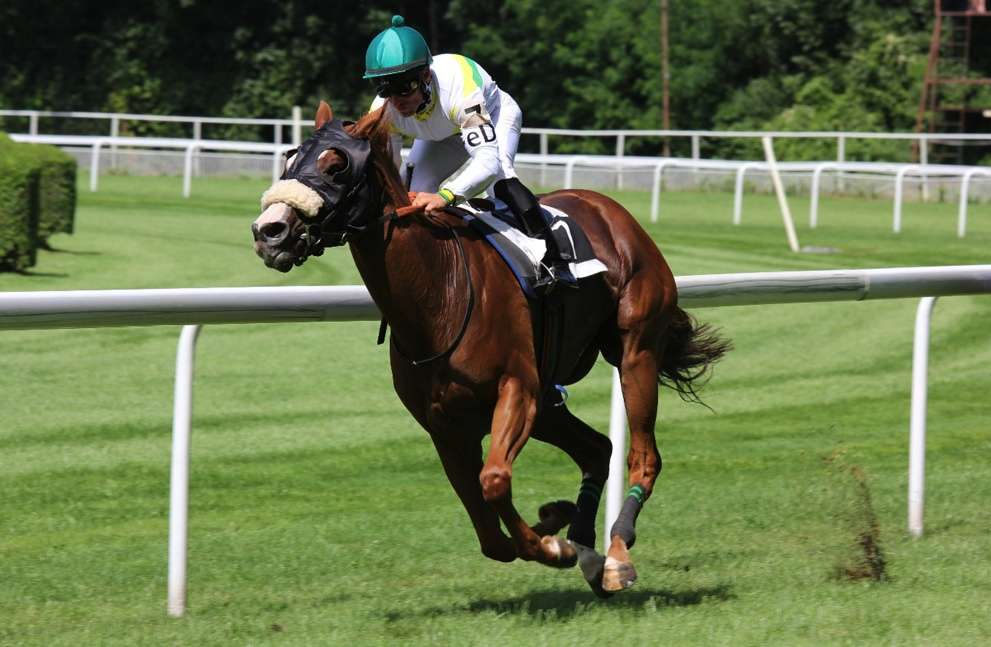
Racehorses retire for many different reasons. Some reach the natural end of a successful career, while others may no longer be competitive enough to continue racing.
A horse might also retire because of an injury, changing physical needs or a decision by its owner or trainer that the time is right to stop.
Retirement does not necessarily mean that a horse is old or incapable of remaining active. Thoroughbreds often begin racing when they are young, meaning some leave the sport with many healthy and productive years still ahead of them.
The first step is usually to assess the horse’s health, temperament and suitability for another role. Veterinary advice may also be required, particularly when an injury has influenced the decision to retire.
Adjusting to life away from racing
Life in a racing yard is highly structured. Racehorses are accustomed to regular exercise, consistent routines, travelling and being handled by experienced professionals.
Moving directly from that environment into a completely different home can therefore be a significant adjustment.
Many horses benefit from a period of rest before formal retraining begins. This gives them time to recover physically and mentally from the demands of training and competition.
The length of this transition period depends on the individual horse. Some settle quickly, while others need more time to adjust to changes in their diet, turnout, workload and daily routine.
Retraining should never be rushed. The objective is not simply to teach a former racehorse a new set of movements, but to help it understand an entirely different way of working.
Everything Horse has previously explored how racehorses are retrained for life away from the track, including the various disciplines and lifestyles they may move into after retiring.
Learning a new way of going
Racehorses are trained for speed, fitness and efficiency. They are accustomed to travelling in a group, responding to racing cues and maintaining a strong forward rhythm.
Riding in an arena, standing at a mounting block or working alone may initially feel unfamiliar.
During retraining, a former racehorse may need to develop:
- Greater balance at slower speeds
- Confidence when working independently
- An understanding of different leg and rein aids
- Experience in arenas and unfamiliar surroundings
- The ability to relax into a less intensive routine
This process can take time, but Thoroughbreds are intelligent, athletic and often highly willing to learn. With sympathetic handling and realistic expectations, many adapt exceptionally well.
What can retired racehorses go on to do?
There is no standard second career for a former racehorse. The right path depends on the horse’s soundness, temperament, previous experiences and the type of home available.
Eventing
Thoroughbreds often possess the stamina, bravery and responsiveness required for eventing. Some progress through competitive levels, while others enjoy the discipline at grassroots or unaffiliated level.
Dedicated events are also creating more opportunities for former racehorses. A Retraining of Racehorses Eventing Championship was introduced at Osberton for 2026, giving RoR-registered horses additional competitive pathways after racing.
Showing
Showing allows former racehorses to demonstrate their conformation, manners and retraining progress.
Dedicated classes are available at many events, allowing horses with very different racing histories to compete after leaving the track. A horse does not need to have been famous or especially successful on the racecourse to flourish in the show ring.
Dressage
Although racing and dressage demand very different ways of moving, some former racehorses develop into capable dressage horses.
Their intelligence, responsiveness and sensitivity can become significant strengths once they learn to work with greater balance, rhythm and relaxation.
Showjumping
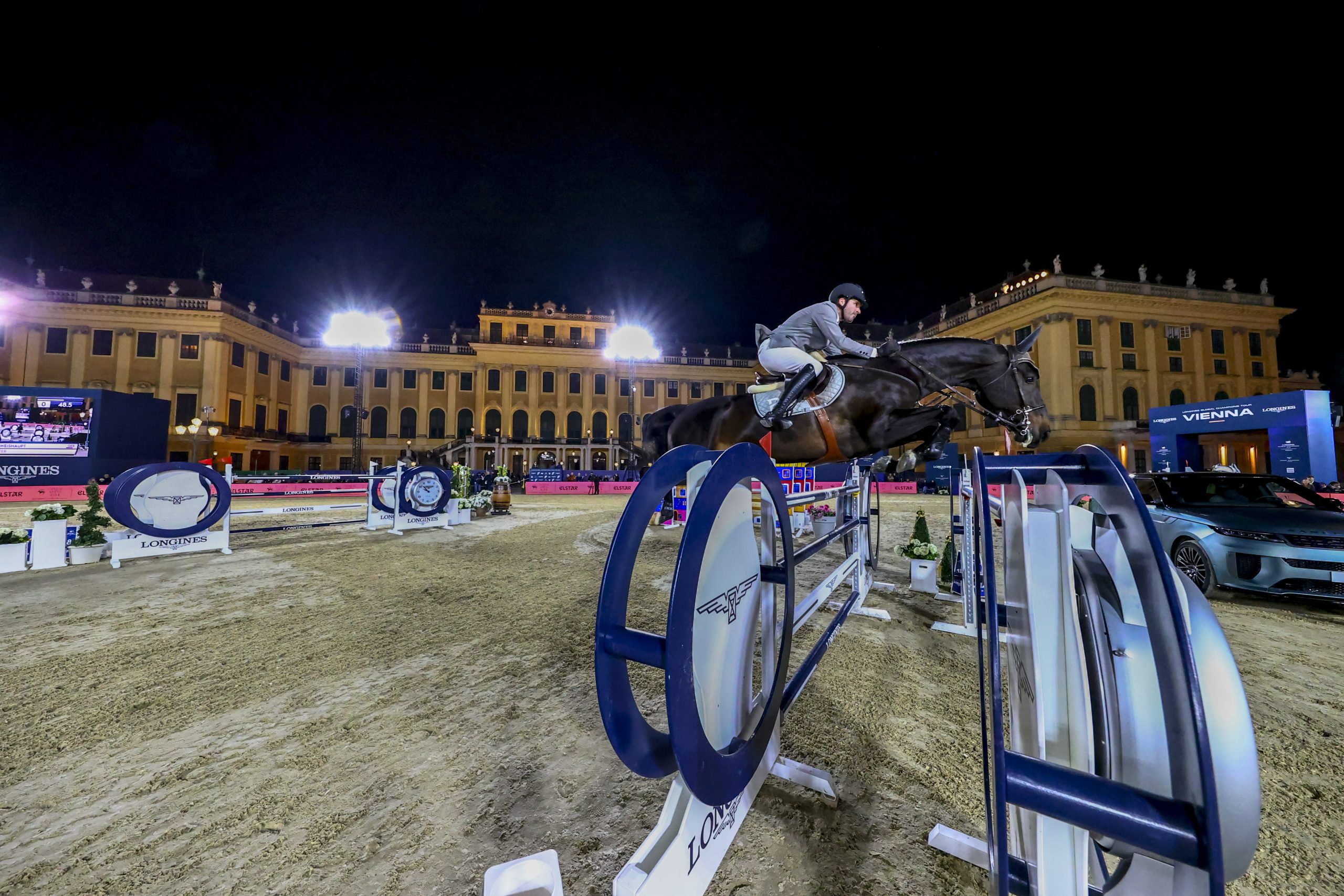
A suitable retired racehorse may also enjoy showjumping. Thoroughbreds are often athletic and quick-thinking, although their introduction to jumping should be gradual and appropriate for their confidence and physical condition.
Hacking and leisure riding
Not every retired racehorse needs a competitive second career.
Some are best suited to hacking, pleasure riding or lower-intensity activities. A quieter life is not a lesser outcome – the most successful retirement is the one that meets the needs of the individual horse.
Companionship
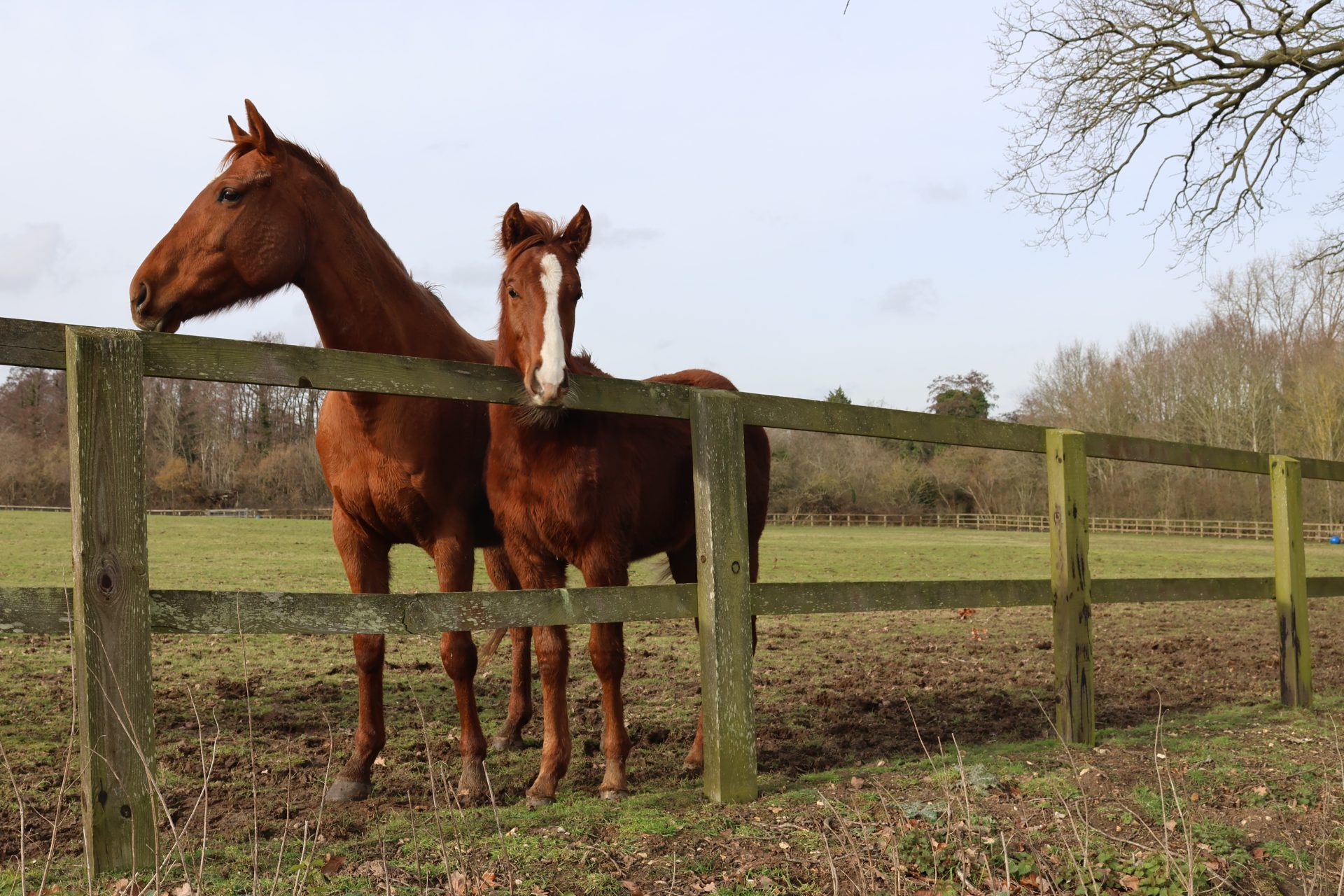
Some horses may no longer be suitable for ridden work but can still enjoy fulfilling lives as companions.
This may be an appropriate future for horses with physical limitations or those that are better suited to a less demanding lifestyle.
Finding an appropriate new home
Matching a retired racehorse with the right owner is one of the most important parts of the retirement process.
Former racehorses can make rewarding partners, but they are not automatically suitable for every rider. Prospective owners should honestly consider their experience, facilities, budget and access to professional support.
Specialist industry platforms can also help owners, trainers and enthusiasts remain connected with the wider racing community. Racehorse UK provides information, news and opportunities relating to the British racehorse industry, supporting those interested in the different stages of a racehorse’s life and career.
Anyone offering a retired racehorse for sale or rehoming should provide clear information about its racing history, temperament, health and current level of retraining.
Potential owners should ask detailed questions, view the horse more than once where possible and consider arranging an appropriate veterinary examination.
Finding the right match is more important than finding the fastest home.
The importance of aftercare and traceability
Responsibility for a racehorse should not disappear when the horse leaves training.
Good aftercare involves making considered decisions about where the horse goes, who will care for it and whether its new home is suitable for its individual needs.
Maintaining accurate ownership and identification records is also important. Better traceability helps the industry understand what happens to racehorses after retirement and allows support to be directed where it is needed.
The racing and wider equestrian industries have increasingly focused on education, retraining and long-term support for former racehorses.
Retraining of Racehorses, British racing’s official charity for the welfare of former racehorses, helps develop second-career opportunities, competitions and educational support for owners.
Its growing role was recently strengthened when RoR became an associate member of British Equestrian, creating closer collaboration around welfare, education and opportunities for Thoroughbreds beyond racing.
Opportunities for former racehorses
Former racehorses now compete across a broad range of disciplines, from dressage and eventing to showing and showjumping.
Everything Horse reported that 341 former racehorses entered the 2025 RoR National Championships at Aintree, highlighting the scale and variety of second-career opportunities now available.
These events do more than provide competition. They help demonstrate the versatility of former racehorses and recognise the time, patience and skill involved in successfully retraining them.
Owners may also benefit from joining local groups, attending clinics and seeking guidance from trainers experienced in working with ex-racehorses.
Preparing to own a former racehorse
Anyone considering taking on a retired racehorse should think beyond the initial purchase or rehoming cost.
Ongoing expenses may include:
- Livery or suitable land and stabling
- Feed and forage
- Veterinary treatment
- Farriery
- Dental care
- Tack and equipment
- Insurance
- Professional schooling or training
The horse may also need a considerable amount of time before it is ready for regular ridden work.
An experienced trainer can help identify areas requiring attention and ensure progress is made without placing unnecessary pressure on the horse.
Patience is particularly important during the first few months. Behaviour that initially appears difficult may reflect confusion, discomfort or unfamiliarity with the horse’s new surroundings rather than unwillingness.
A new chapter rather than an ending
Racehorses leave the sport with different experiences, abilities and needs.
Some become successful competition horses, some enjoy hacking and leisure riding, and others settle into peaceful retirement as companions.
What matters is that each transition is managed responsibly.
With appropriate assessment, careful retraining and the right home, a former racehorse can enjoy a long and rewarding life after racing.
Retirement should not be viewed as the point at which a horse’s value ends, but as an opportunity to recognise its versatility and provide the secure future it deserves.