
Horse racing has connected the United Kingdom and the United States for generations, even as each nation developed its own traditions. Their most celebrated racecourses reflect distinctive histories, landscapes, and approaches to Thoroughbred competition.
A visit to Ascot or Saratoga quickly reveals familiar foundations alongside striking contrasts. Exploring these iconic venues offers a deeper appreciation of how culture, geography, and tradition continue to shape racing on both sides of the Atlantic.
Two Racing Cultures, One Shared Passion
British and American racing share the same Thoroughbred foundation, yet their identities have evolved differently. Track design drives much of that contrast, shaping breeding priorities, training methods, and race tactics on both sides of the Atlantic.
British racing embraces variety. Turf courses weave through rolling landscapes, climb steep gradients, and often change with the weather. Success depends on balance, stamina, patience, and a horse’s ability to adapt to unique layouts and ever-changing conditions.
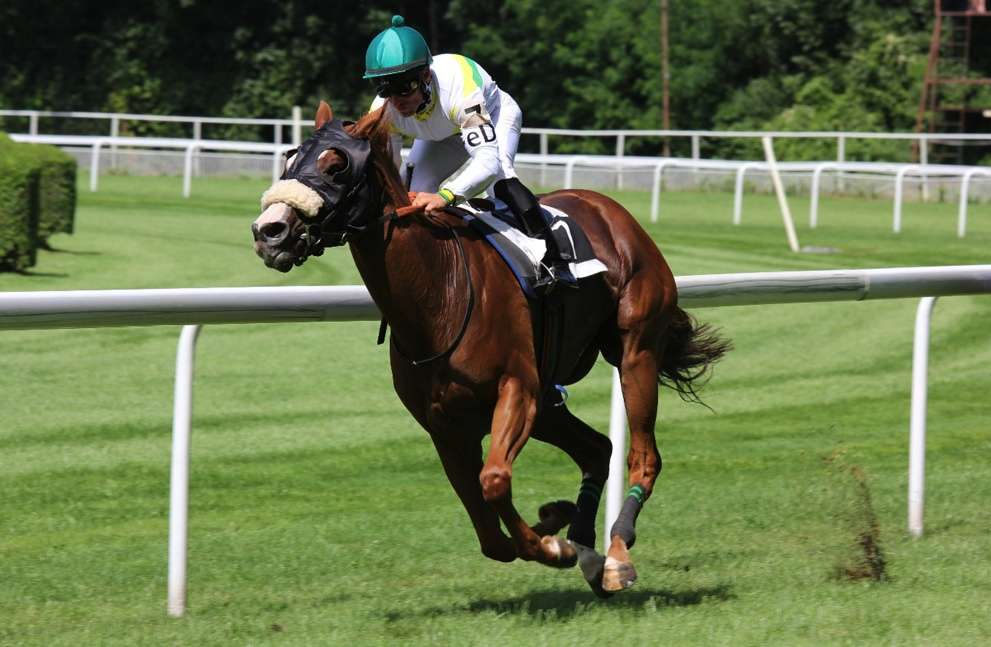
American racing follows a different philosophy. Flat dirt ovals reward tactical positioning, early speed, and consistency around predictable layouts. Neither approach is superior; together, they showcase two equally compelling racing traditions.
Britain’s Legendary Racecourses Define Tradition
Britain’s most famous racecourses are more than sporting venues. They represent centuries of history and continue to influence racing traditions around the world.
Ascot’s Royal Tradition and Testing Finish
Few venues blend prestige and competition quite like Ascot. Founded by Queen Anne in 1711, the racecourse remains closely associated with the British Royal Family, whose daily procession during Royal Ascot has become one of racing’s most recognizable traditions.
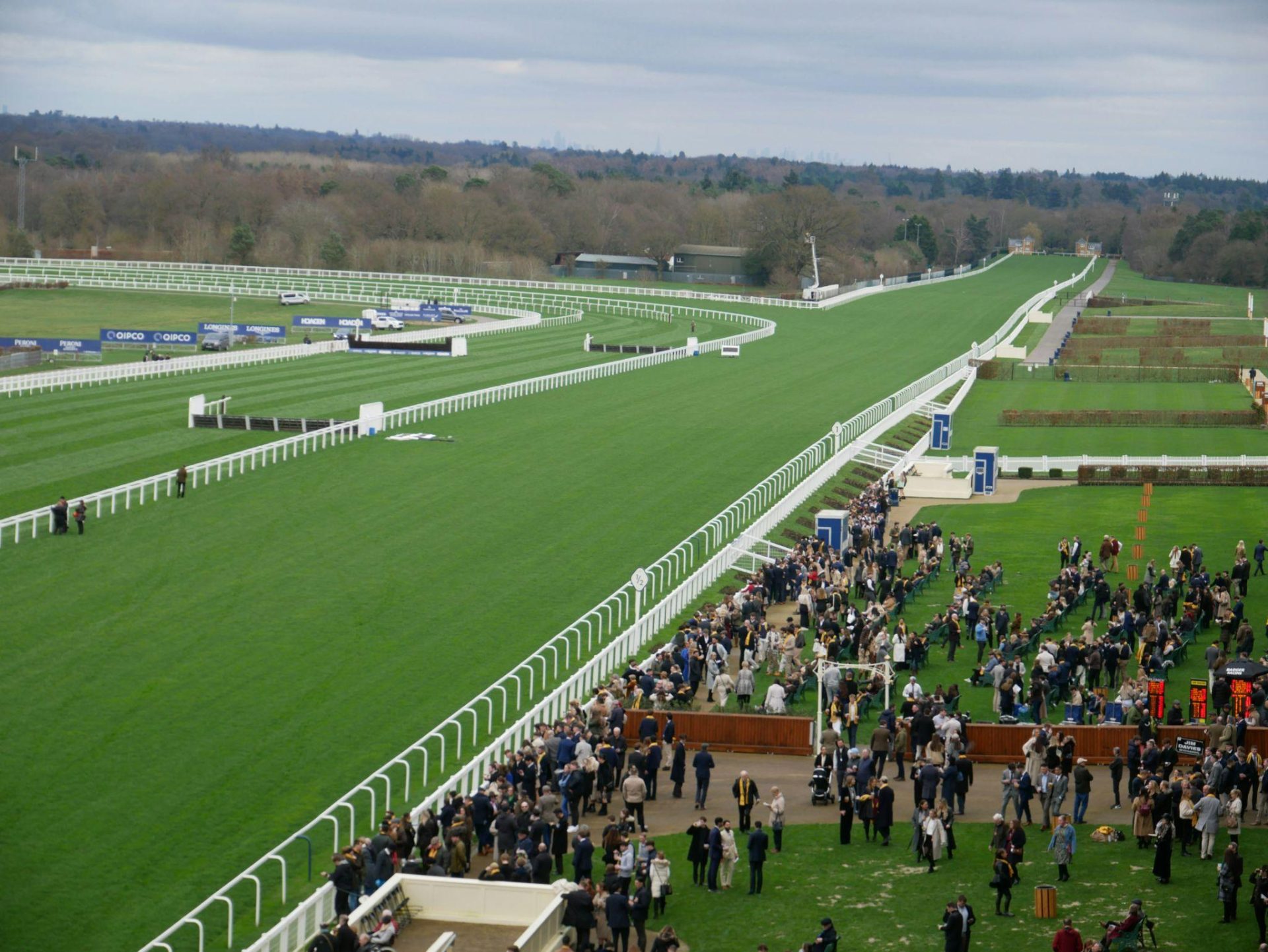
The course itself is every bit as demanding as its reputation suggests. Its triangular layout and uphill finish reward genuine stamina over early speed. Races such as the Gold Cup and St James’s Palace Stakes have cemented Ascot as one of the sport’s global showpieces.
Newmarket, The Home of Thoroughbred Racing
Newmarket is often described as the spiritual home of Thoroughbred racing, and that title feels well earned. Racing has flourished here since the 17th century, while the surrounding training grounds continue preparing many of Britain’s elite horses.
Here, the famous Rowley Mile presents a challenge to any runner. Without turns to dictate positioning, horses race along a straight course before the distinctive dip near the finish. Maintaining rhythm through that final section often separates the best in the classic 2,000 and 1,000 Guineas races.
Epsom Downs and Racing’s Ultimate Test
No racecourse asks more varied questions than Epsom Downs. Horses must climb, descend, balance across the famous camber, and negotiate Tattenham Corner before launching their final challenge uphill toward the winning post.
Those unique demands explain why the Epsom Derby became the template for Derby races across the globe. Winning here requires athleticism, composure, and adaptability, qualities that breeders and trainers have prized for generations.
America’s Iconic Tracks Offer Racing on a Different Stage
American racecourses have built their identity around speed, spectacle, and signature events. Each venue brings its own character while helping shape the racing calendar.
Churchill Downs and America’s Biggest Race
Churchill Downs has welcomed racing fans since 1875, yet every spring it captures worldwide attention during the Kentucky Derby. Its iconic twin spires have become one of the sport’s enduring symbols, recognized by fans worldwide across generations.
The flat, one-mile dirt oval rewards horses that secure strong early positions while handling kickback from rivals. Quick decisions from jockeys often prove as important as talent, helping create the dramatic finishes that define the Kentucky Derby.
Belmont Park’s Endurance Challenge
Belmont Park earned the nickname “Big Sandy” for good reason. Its enormous dirt oval emphasizes the importance of patience and stamina, particularly during the Belmont Stakes. Its sweeping layout rewards measured race tactics throughout.
Visiting riders sometimes underestimate the sweeping turns, moving too early before discovering how demanding the stretch can become. Champions emerge through careful pacing as much as raw ability, making Belmont one of America’s greatest tests of endurance.
Saratoga’s Historic Summer Showcase
Established in 1863, Saratoga Race Course is the oldest organized sporting venue in the United States and remains a highlight of the summer racing season. Its historic setting, enthusiastic crowds, and dramatic upsets earned it the nickname “The Graveyard of Champions”.
Many racing fans follow Saratoga’s major stakes races throughout the meet because they often reveal emerging stars and established contenders before the season’s biggest events.
Fans looking to follow Saratoga’s biggest summer races often turn to resources featuring Jim Dandy Stakes picks alongside daily race analysis. This information helps them stay informed about leading contenders, recent form, and storylines throughout the meet.
How These Tracks Shaped Racing Around the World
Historic racecourses have done more than host memorable races. They have helped shape the sport itself. Newmarket became central to Thoroughbred breeding, while Epsom established the Derby as the benchmark for elite three-year-olds around the world.
Across the Atlantic, Belmont Park proved American dirt horses could combine speed with classic stamina. Kentucky later emerged as one of the world’s leading breeding regions, while Keeneland’s renowned sales connected European and American bloodlines.
Those historic connections continue today. Horses, trainers, and jockeys regularly compete on both sides of the Atlantic, strengthening a long-standing relationship while bringing new perspectives and international competition to Thoroughbred racing.
One Sport, Two Unforgettable Racing Traditions
British and American racecourses may look different, reward different qualities, and celebrate distinct traditions, yet they share the same passion for exceptional Thoroughbred competition. Ascot, Epsom, Belmont, and Saratoga each tell part of racing’s enduring story.
Experiencing both sides of the Atlantic reveals not competing versions of the sport but also complementary traditions shaped by history and innovation. Together, they continue inspiring fans, producing champions, and preserving one of the world’s great sporting legacies.