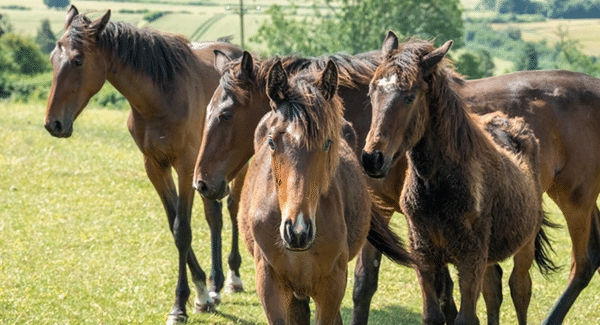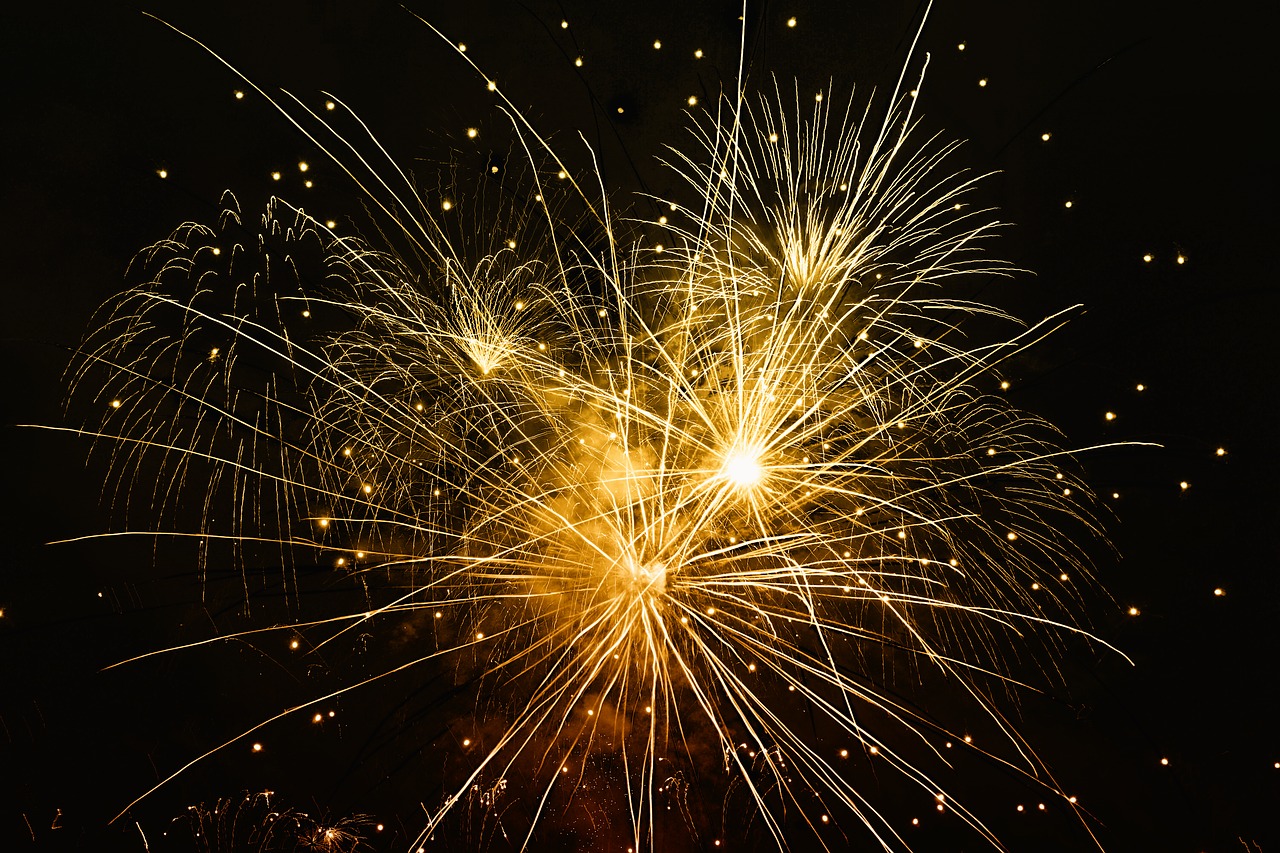

Fireworks season can be a distressing time for horse owners across the UK. Whilst humans enjoy the spectacular displays during Bonfire Night, Diwali, and New Year celebrations, our equine companions often experience significant fear and anxiety from the loud bangs and flashing lights.
The statistics paint a concerning picture. Since 2010, the British Horse Society (BHS) has received almost 1,030 incident reports involving fireworks, including 270 horse injuries, 69 human injuries, and tragically, 35 horse fatalities. According to Redwings Horse Sanctuary, 69% of horse owners are concerned about their horse’s welfare due to fireworks, with just under 4% of incidents resulting in fatal injuries.
Even the calmest, most level-headed horses can become frightened when exposed to the sudden noises and bright flashes of firework displays. Understanding why horses react this way and knowing how to manage their anxiety is crucial for every horse owner.
Why Do Fireworks Frighten Horses?
Horses are prey animals with highly developed flight instincts. Their survival has historically depended on their ability to detect and flee from potential threats. Fireworks trigger several fear responses:
- Loud, unexpected noises activate their startle reflex
- Bright flashing lights can be perceived as danger
- Unpredictable timing prevents habituation
- Inability to escape when stabled or in enclosed fields increases stress
- Herd mentality means one frightened horse can trigger panic in others
Unlike thunderstorms, which horses can often sense approaching, fireworks offer no warning and can continue sporadically for hours or even weeks around major celebrations.
Preparing Your Yard and Facilities
Preparation is key to minimising firework-related incidents. Take these steps well before firework season begins:
Secure Your Property
- Check fencing thoroughly for any weak points, loose rails, or damaged sections that a panicked horse could break through
- Remove hazards from fields and stables, including tools, equipment, and anything a horse could injure themselves on
- Ensure gates are secure with proper fastenings that cannot be knocked open
- Check stable doors and bolts are in good working order
Inform Your Neighbours
- Speak to local residents about your horses and request advance notice of planned firework displays
- Provide your contact details so neighbours can alert you before setting off fireworks
- Explain the risks politely – many people are unaware of the danger fireworks pose to horses
- Share information about the BHS Horse i app, which allows reporting of firework incidents
Desensitisation Training
Whilst it’s impossible to fully prepare horses for the intensity of fireworks, gradual desensitisation can help reduce their fear response:
- Start early – begin training well before firework season
- Use recordings of firework sounds at very low volume, gradually increasing over weeks
- Pair sounds with positive experiences such as feeding or grooming
- Introduce visual stimuli using torches or fairy lights to simulate flashing
- Keep sessions short and always end on a positive note
- Never force exposure – if your horse shows severe distress, stop and seek professional help
Remember that desensitisation takes time and patience. Not all horses will respond equally, and some may always remain fearful regardless of training.

On the Night: Practical Management Tips
When fireworks are imminent, implement these strategies to keep your horse as calm as possible:
Stable or Field?
There’s no definitive answer to whether horses should be stabled or turned out during fireworks. Consider your individual horse:
- Stabled horses cannot flee but are contained and protected from running into hazards
- Turned out horses can move freely but risk injury if they panic and bolt
- Know your horse – some feel safer in their stable, whilst others become more stressed when confined
- Ensure company – horses generally cope better with a companion
Creating a Calm Environment
- Maintain routine – stick to normal feeding and turnout times as much as possible
- Stay calm yourself – horses pick up on human anxiety
- Provide plenty of forage – chewing helps reduce stress and keeps horses occupied
- Use stable lighting – leaving lights on can reduce the impact of flashing fireworks
- Play music – classical music or radio can help mask firework sounds
- Ensure fresh water is always available
Calming Products and Supplements
Many owners find calming supplements helpful during firework season:
- Magnesium-based supplements can support relaxation
- Herbal calmers containing valerian, chamomile, or passionflower
- Fast-acting gels or cookies for immediate effect
- Long-term supplements should be started several days before anticipated fireworks
Always consult your vet before using calming products, especially if your horse is on other medication or competes under FEI or affiliated rules. Some products contain banned substances.
For severely anxious horses, your vet may prescribe sedatives or anti-anxiety medication. Never use prescription medication without veterinary guidance.
What to Do During a Firework Display
If fireworks start whilst you’re with your horses:
- Stay calm and quiet – speak in soothing, normal tones
- Don’t over-fuss – excessive attention can reinforce fearful behaviour
- Keep yourself safe – even normally placid horses can be dangerous when frightened
- Avoid riding during or shortly after fireworks
- Check horses regularly but don’t constantly disturb them
- Have a head collar and lead rope easily accessible in case you need to move a horse
After the Fireworks
Once the display has ended:
- Check all horses thoroughly for injuries, paying attention to legs, face, and body
- Inspect fencing and facilities for any damage
- Monitor behaviour over the following days – some horses remain unsettled
- Report incidents to the BHS using the Horse i app to help build evidence for firework regulation
- Contact your vet if your horse has sustained injuries or shows signs of ongoing distress
Long-Term Solutions and Advocacy
The equine community continues to campaign for stricter firework regulations:
- Support campaigns calling for restrictions on private firework use
- Encourage public displays only which can be planned for and notified in advance
- Advocate for quieter fireworks – low-noise alternatives are available
- Report all incidents to build statistical evidence
- Educate the public about the impact of fireworks on horses and other animals
The BHS and organisations like Redwings Horse Sanctuary are actively working towards better protection for horses from firework-related risks.
Building Resilience
Whilst we cannot eliminate fireworks entirely, we can help our horses become more resilient:
- Varied experiences – expose horses to different sights and sounds in controlled ways
- Confident handling – horses take cues from calm, assertive handlers
- Strong relationships – horses who trust their owners cope better with stress
- Regular routine – consistency provides security
- Physical fitness – healthy, well-exercised horses often handle stress better
When to Call the Vet
Contact your veterinarian immediately if:
- Your horse has sustained any injury
- Your horse shows signs of colic (common stress response)
- Your horse is sweating excessively or showing respiratory distress
- Your horse refuses to eat or drink for more than a few hours
- Your horse’s behaviour remains severely affected days after the event
Final Thoughts
Fireworks and horses will never be a good combination, but with careful preparation, management, and advocacy, we can minimise the risks and distress to our equine companions. Every horse is different, so take time to understand what works best for yours.
Start your preparations early, stay informed about local displays, and don’t hesitate to seek professional help if your horse struggles significantly. By working together as a community and supporting campaigns for responsible firework use, we can help create a safer environment for all horses during firework season.
Remember, your safety is paramount. A frightened horse can be unpredictable and dangerous, so always prioritise your own wellbeing whilst caring for your horse during this challenging time of year.