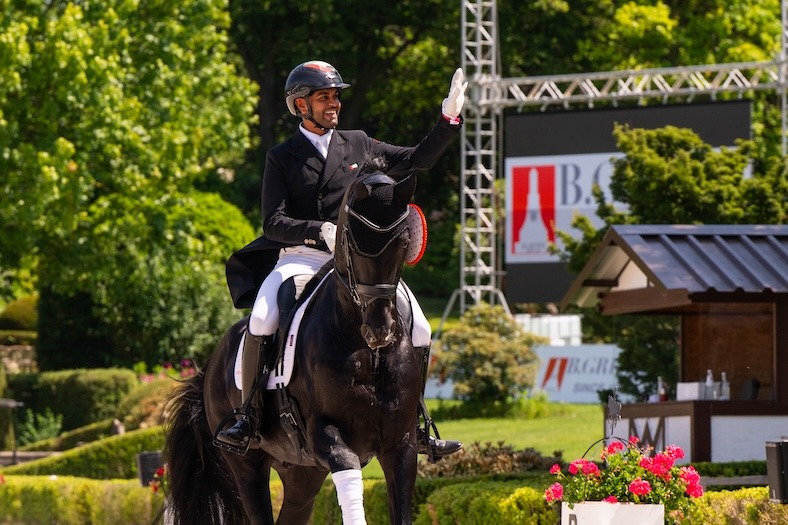

Horse riding is much more physically demanding than it can appear from the ground. Staying balanced and moving with the horse requires coordination, core stability and muscular control, while different types of riding can place very different demands on the body. Beyond the physical benefits, riding can also provide opportunities to spend time outdoors, develop new skills and enjoy the social side of equestrian life.
In this guide, we look at the benefits of horse riding, including the muscles used while riding, its effects on balance and coordination, whether horse riding counts as exercise and the potential benefits for mental wellbeing.
Horse riding can improve balance, posture and coordination
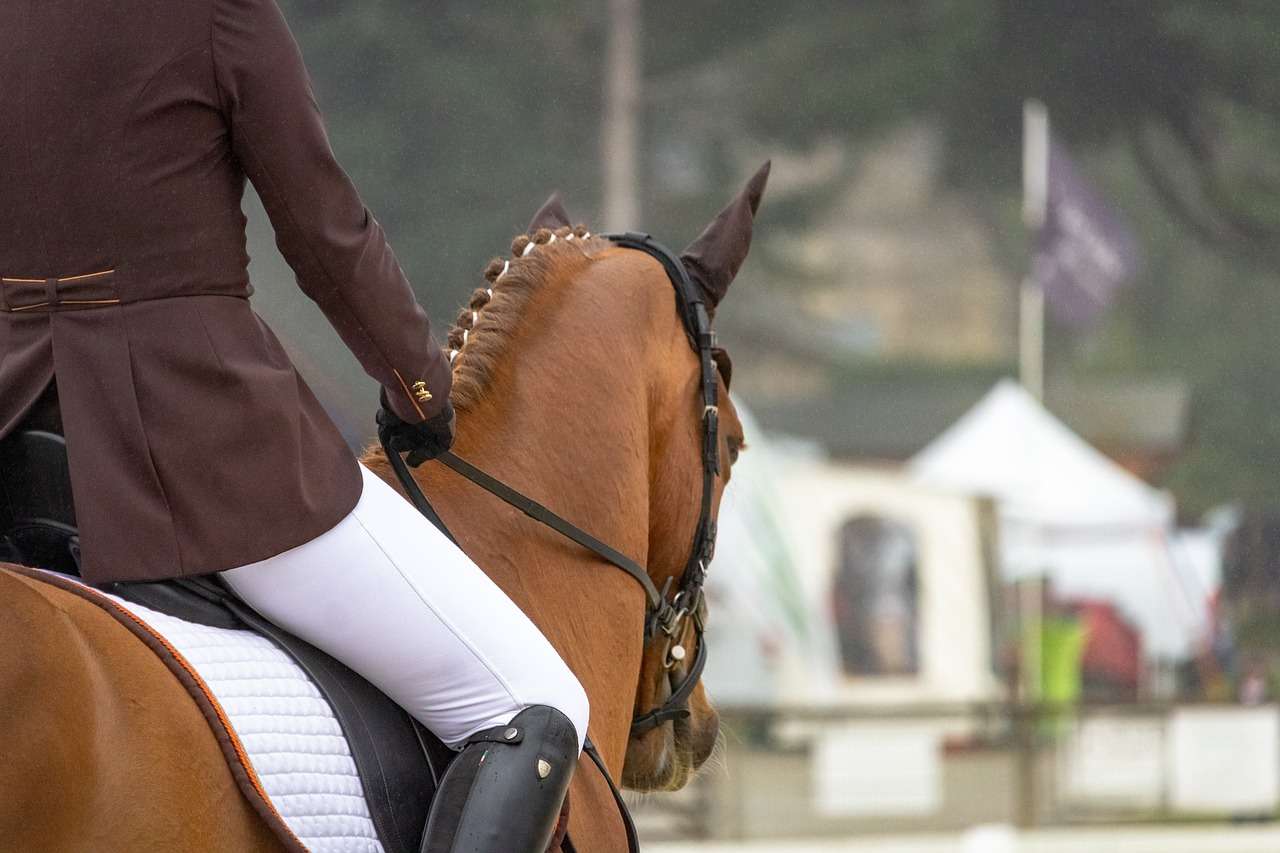
Maintaining a balanced position in the saddle requires the rider to make continual adjustments as the horse moves underneath them. Rather than sitting passively, the rider uses their core and postural muscles to remain stable while allowing the pelvis and upper body to move with the horse.
Riding also challenges balance and coordination. The rider must coordinate their seat, legs and hands while responding to changes in pace, direction and the horse’s movement. As riding skills develop, riders often become more aware of their posture, symmetry and body position both in and out of the saddle.
What muscles does horse riding work?
Horse riding engages muscles throughout the body, particularly those involved in maintaining balance and controlling your position in the saddle. The core muscles help stabilise the trunk, while muscles in the hips, thighs and lower legs work to maintain the rider’s position and communicate with the horse.
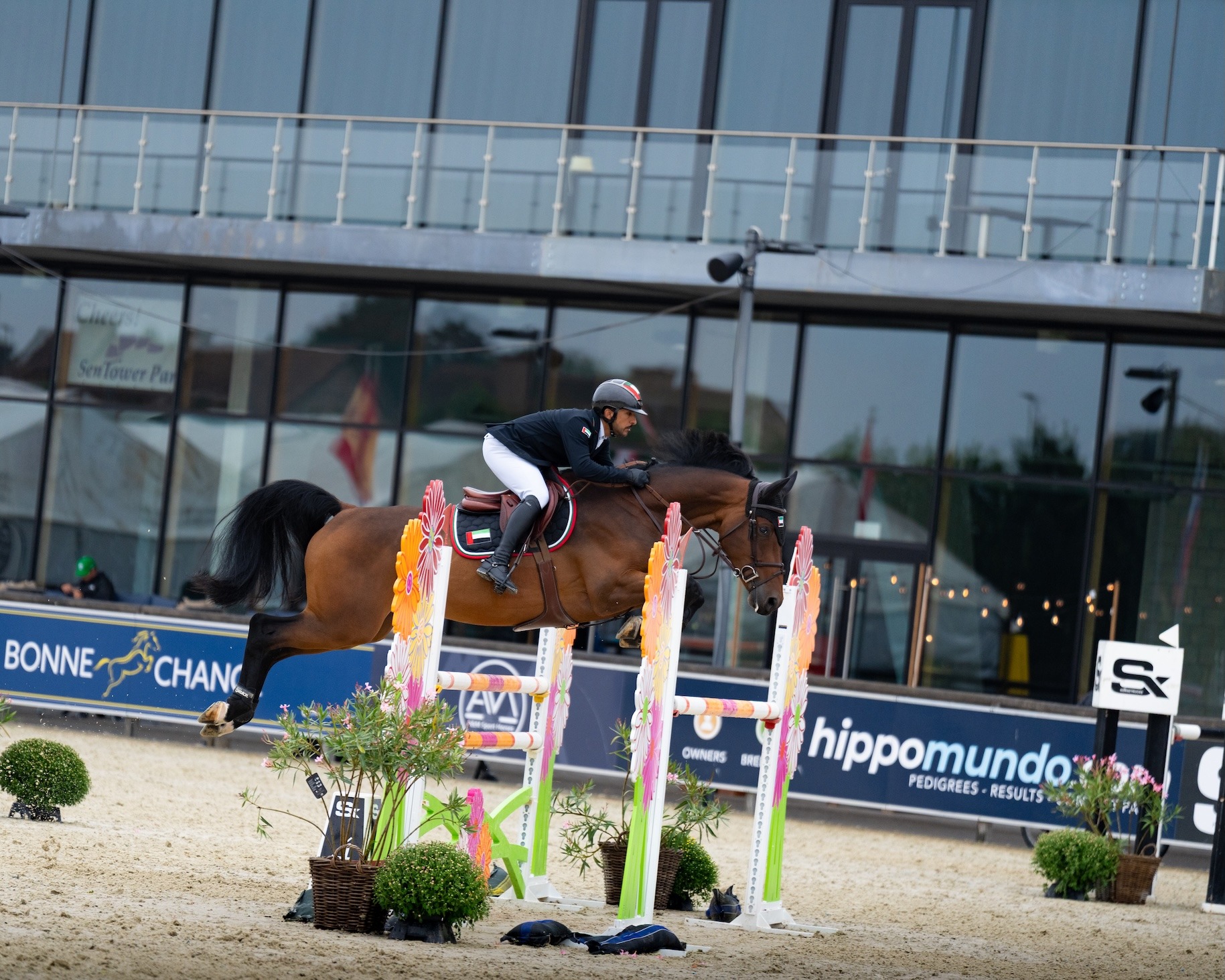
The upper body is involved too. Riders use muscles through the back, shoulders and arms to maintain posture and provide controlled rein aids. The amount of muscular effort required varies considerably depending on the activity. Walking on a quiet hack, riding without stirrups, jumping and working through more demanding movements in dressage will all challenge the body differently.
Looking to improve your fitness out of the saddle? Read our horse rider fitness, workout and nutrition guide.

Is horse riding good cardiovascular exercise?
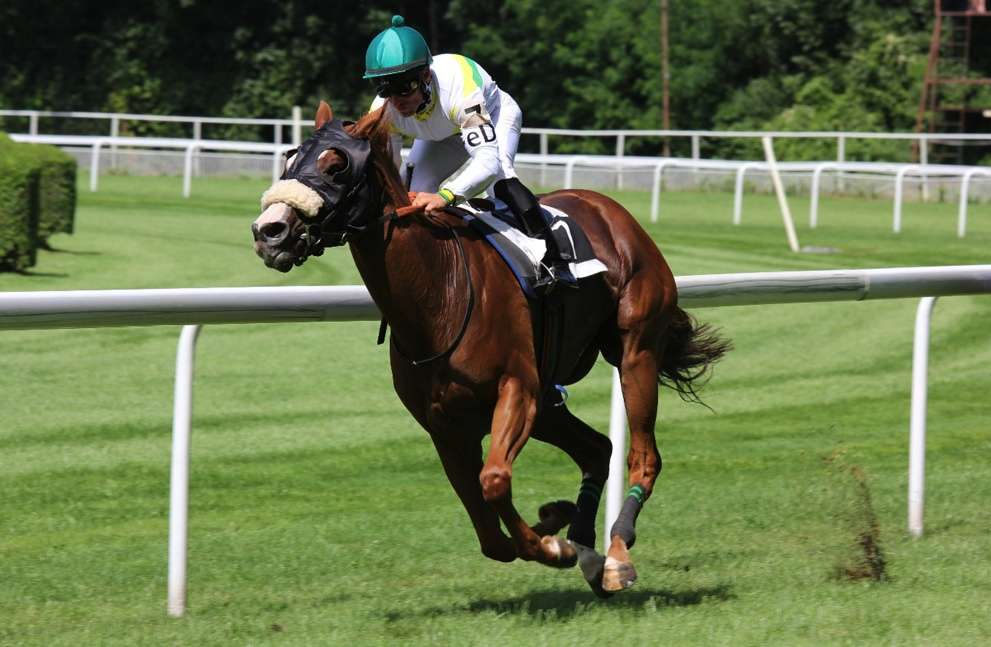
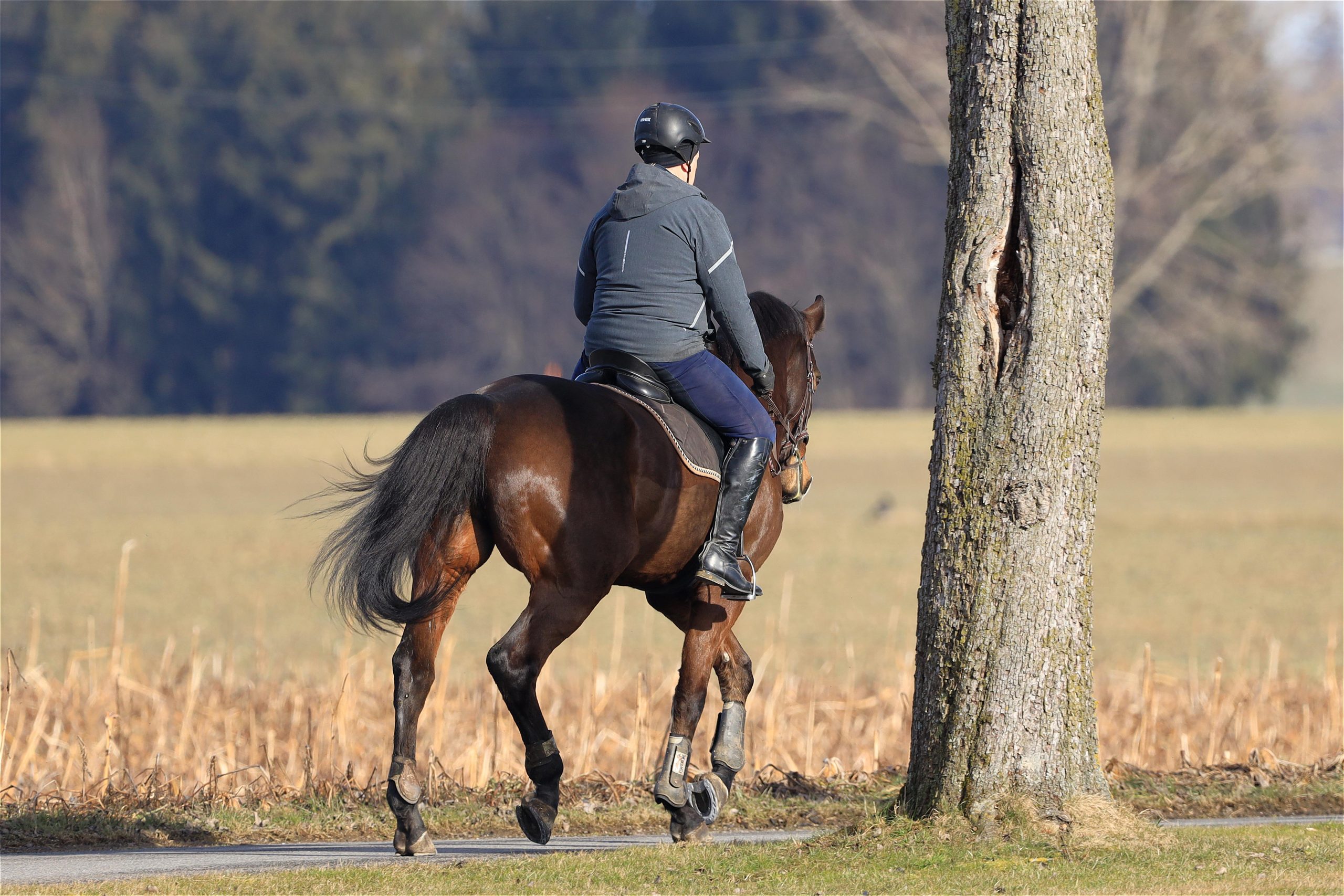
Horse riding can contribute to cardiovascular exercise, although how physically demanding a ride is will depend on factors such as pace, duration, terrain and the type of riding being undertaken. A relaxed walk on a quiet hack will place very different demands on the rider compared with sustained trot and canter work, jumping or cross-country riding.
As the intensity of riding increases, so can the rider’s heart rate and energy expenditure. Research examining the physiological demands of recreational riding has found that riding can reach moderate exercise intensity, with more demanding activities such as reining and cutting producing greater cardiovascular responses.
So, does horse riding count as cardio? It can. Some riding sessions can contribute towards aerobic physical activity, but the intensity varies considerably depending on what you and your horse are actually doing.

Does horse riding burn calories?
Yes, horse riding uses energy and burns calories, but there isn’t one reliable figure for how many calories a rider will burn during an hour in the saddle. Energy expenditure varies according to the rider, the intensity and duration of the session, the horse’s pace and the type of riding being undertaken.
More physically demanding riding, including sustained periods of trot and canter or disciplines requiring greater muscular effort, will generally require more energy than riding predominantly in walk. Riding also involves continual muscular activity to maintain balance, posture and control, so the physical demands are not always obvious to someone watching from the ground.
Horse riding can therefore form part of an active lifestyle, but it shouldn’t be presented as a guaranteed way to lose weight. Body weight is influenced by overall energy intake and expenditure as well as numerous individual factors.
Mental wellbeing benefits of horse riding
For many riders, the mental benefits of horse riding extend beyond physical exercise. Riding requires concentration and awareness of the horse, which can provide a welcome change of focus from everyday work, responsibilities and other pressures.
Horse riding can also provide opportunities to spend time outdoors, learn new skills and develop confidence as a rider. For people who keep or care for their own horse, the time spent at the yard and the routine involved in caring for an animal can also form an important part of their social and recreational life.
There is research exploring the relationship between equestrian activities and psychological wellbeing, but the effects can vary between individuals and different types of equestrian activity. Horse riding should therefore not be presented as a treatment for anxiety, depression or other mental health conditions simply because somebody enjoys or benefits from riding.
Is horse riding good exercise?
Yes, horse riding can be good exercise. Although the horse is doing the travelling, the rider is continually using muscles to maintain balance, posture and control while responding to the horse’s movement.
The amount of exercise you get from riding depends heavily on what you’re doing. A gentle hack predominantly in walk will demand less cardiovascular effort than sustained trot and canter work, jumping or more intensive schooling. Different riding activities also place different demands on the core, legs, hips and upper body.
This means horse riding can combine elements of aerobic exercise, muscular work, balance and coordination, rather than fitting neatly into just one type of exercise.
What are the main benefits of horse riding?
Horse riding can provide a combination of physical, mental and social benefits. In the saddle, riders use their core and other muscle groups to maintain balance and position, while more active riding can also contribute towards cardiovascular exercise and overall physical activity.
The benefits aren’t limited to fitness. Riding develops coordination, requires concentration and gives many people an opportunity to spend time outdoors, learn new skills and enjoy being around horses and other riders.
How physically demanding horse riding is will depend on the rider, horse, discipline and intensity of the session, but one thing is clear: the rider certainly isn’t just sitting there while the horse does all the work.