
Acupuncture is increasingly used within modern veterinary medicine to support horses dealing with pain, injury recovery and performance-related issues. While rooted in ancient practice, veterinary acupuncture today combines traditional techniques with scientific understanding of how the nervous system and musculoskeletal system respond to treatment.
What is acupuncture?
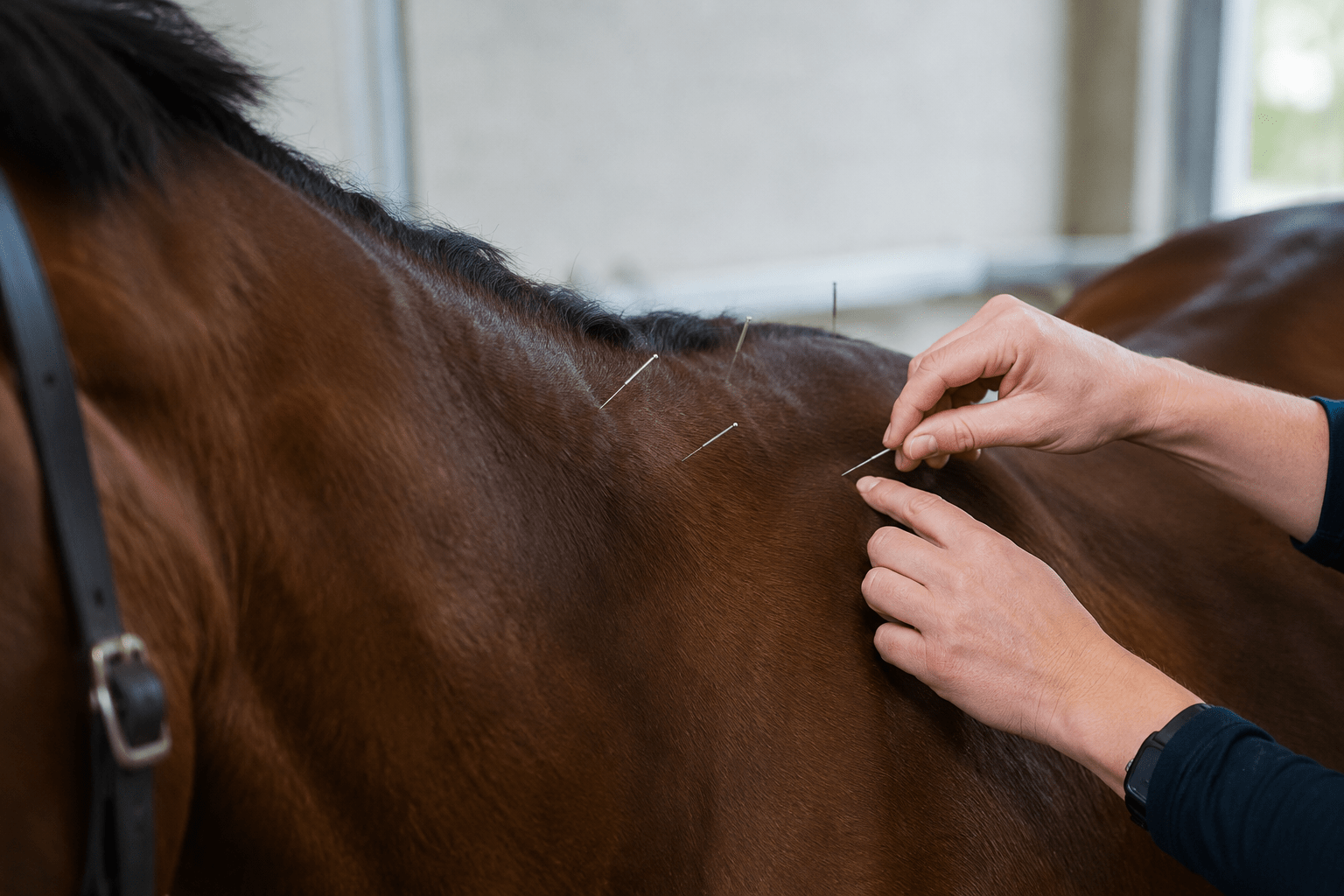
Acupuncture involves the insertion of very fine sterile needles into specific points on the body to help relieve pain, improve circulation and support healing.
Modern veterinary research suggests acupuncture stimulates nerves, muscles and connective tissue, encouraging the release of natural pain-relieving and anti-inflammatory substances such as endorphins and serotonin. These chemicals influence pain pathways in both the spinal cord and brain and can help reduce discomfort while promoting relaxation and recovery.
What can acupuncture be used for in horses?
Veterinary acupuncture is commonly used alongside conventional veterinary treatment and rehabilitation programmes. Conditions and issues that may benefit from acupuncture include:
- Muscle soreness and tension
- Back and neck pain
- Arthritis and joint stiffness
- Soft tissue injuries
- Laminitis support and pain management
- Nerve-related pain
- Reduced performance or poor mobility
- Recovery following illness or injury
- Stress and tension-related behaviours
- Some respiratory conditions
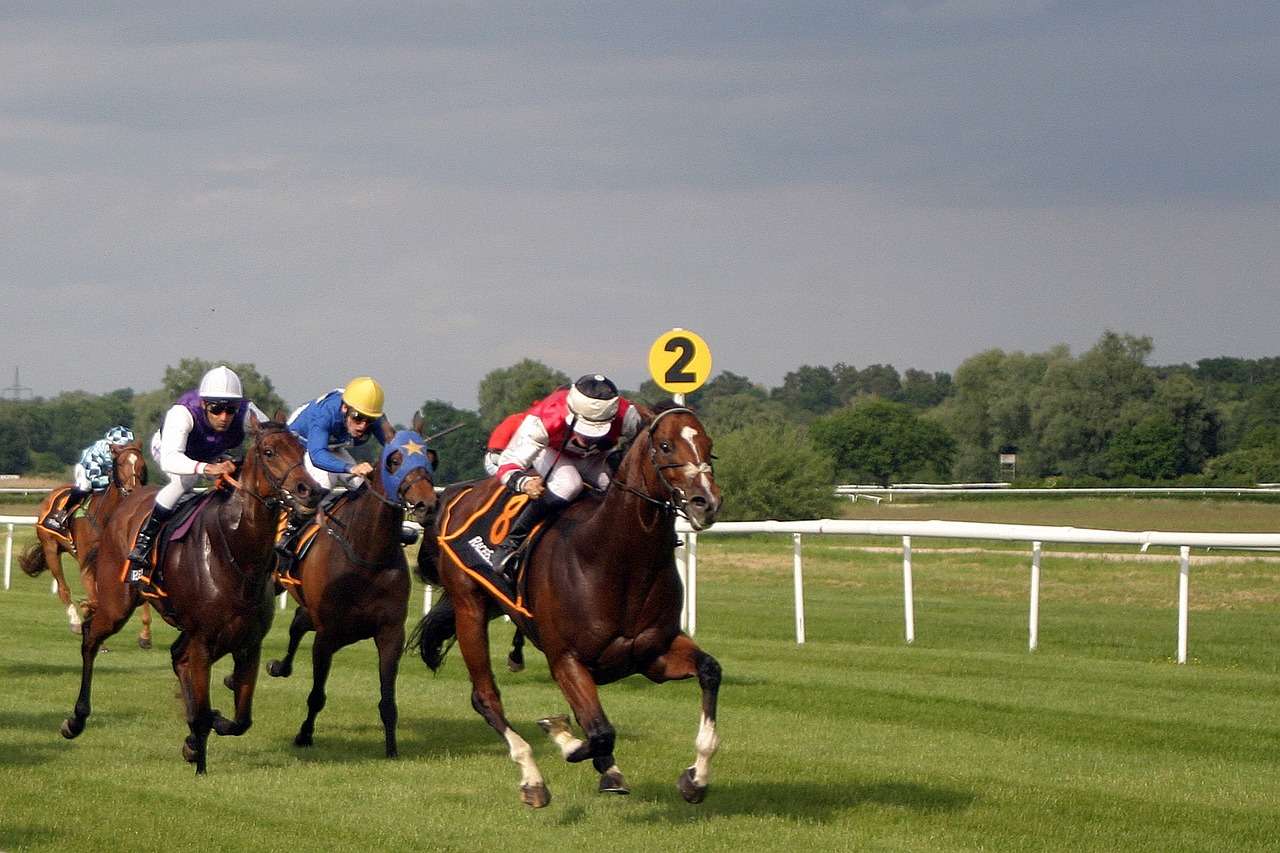
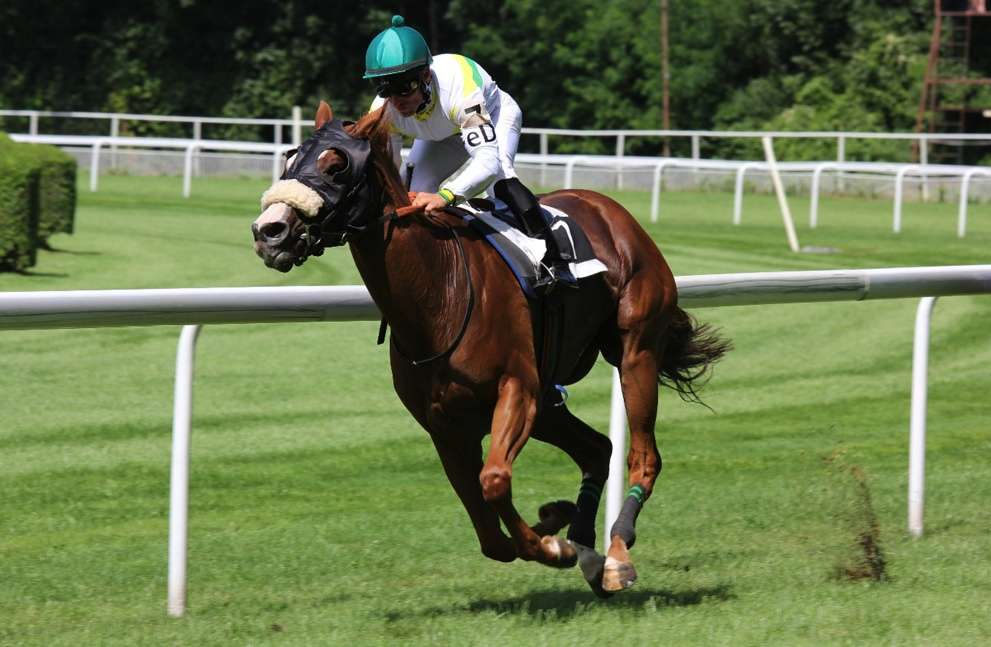
Acupuncture is also widely used in performance horses to support muscle function, flexibility and recovery. Many owners and therapists incorporate it into ongoing maintenance programmes to help horses remain comfortable and perform at their best.

For older horses, acupuncture may help improve mobility and comfort levels, particularly where osteoarthritis or chronic stiffness are affecting quality of life.
Key points about acupuncture for horses
- Acupuncture should only be performed by a qualified veterinary surgeon or appropriately regulated veterinary professional.
- It is generally used alongside conventional veterinary diagnosis and treatment rather than as a replacement.
- Acupuncture is considered a safe procedure when performed correctly.
- Scientific evidence supporting veterinary acupuncture continues to grow, particularly in pain management and musculoskeletal conditions.
- Insurance policies may cover acupuncture treatment when recommended by a vet, but owners should always check their individual policy terms.
- Treatments are usually carried out in a clean, quiet stable environment where needles can be safely monitored.
- Some horses may feel relaxed or sleepy after treatment, so strenuous exercise or travelling immediately afterwards is not usually recommended.
A brief history of acupuncture
The use of needles and pressure points as a therapeutic technique dates back thousands of years and originated in Traditional Chinese Medicine (TCM).
Today, veterinary acupuncture generally follows one of two approaches:

Traditional Chinese Medicine (TCM)
This approach is based on restoring balance and energy flow, often referred to as “Qi”, through specific acupuncture points and meridians within the body.
Western Veterinary Acupuncture
The Western scientific approach is based on modern anatomy, neurology and physiology. Treatment points are selected using clinical examination and veterinary diagnosis, focusing on stimulating nerves, muscles and connective tissues to promote pain relief and healing.
Many modern veterinary practitioners use a combination of both approaches depending on the horse and condition being treated.
How do horses react to acupuncture?
Most horses tolerate acupuncture very well. Many show little or no reaction to needle insertion, while others may briefly twitch or flinch as certain points are stimulated.
During treatment, some horses become visibly relaxed — lowering the head, licking and chewing, yawning or even appearing sleepy. Others may be more sensitive initially, particularly if they are uncomfortable or tense.
Responses to treatment vary between individuals and conditions. Some horses show improvement after the first session, while others require several treatments before noticeable changes occur. In many cases, a course of three to six sessions spaced over several weeks is recommended.
As with any therapy, acupuncture may not be effective for every horse or every condition, but when incorporated into a wider veterinary treatment and rehabilitation plan it can provide valuable support for comfort, mobility and overall wellbeing.