
Buying a decent leather belt tends to get put off until last, tucked in behind boots, gloves and a fresh set of stable rugs. Yet it’s one of those quiet items that ends up doing more work than almost anything else in a rider’s wardrobe. It holds up jodhpurs through a full day of mucking out, keeps overalls in place when you’re hauling hay bales, and somehow needs to look smart enough for a quick trip into town straight afterwards.
Most riders eventually gravitate towards proper leather over synthetic alternatives, and it’s worth understanding why before parting with your money. Good leather belts will outlast several seasons of nylon or faux leather equivalents, softening and moulding to the body rather than cracking or peeling with wear. They also tend to look better the longer you own them, picking up a patina that plastic simply can’t replicate, which matters when a belt is going to spend as much time getting rained on at the yard as it does anywhere else.
Horses and stable yards are hard on kit generally, and a belt is no exception. Between damp mornings, dusty barns and the general wear of being tucked in and out of overalls several times a day, it’s worth choosing something built to cope rather than something that will need replacing by spring. Here’s what’s worth thinking about before you buy.
Full Grain Versus Bonded Leather
Not every belt sold as leather is made the same way, and it’s easy to end up disappointed if you don’t know what you’re buying. Full grain leather uses the entire thickness of the hide, keeping the natural strength and grain intact. It costs more, but it will genuinely last for years of daily yard use. Bonded leather, by contrast, is made from scraps and offcuts glued together and coated to look uniform. It’s cheaper to buy, but it doesn’t hold up nearly as well to damp weather or the general knocks that come with life around horses.
Buckle and Hardware
A belt is only as good as its buckle. Look for solid brass, stainless steel or nickel plated hardware rather than anything that feels light or hollow in the hand. Cheap buckles tarnish quickly, especially once they’ve been rained on a few times, and a weak pin mechanism is usually one of the first things to fail on a budget belt. If you’re planning to wear the same belt daily around the yard, a slightly heavier buckle is generally worth the extra weight.

Width and Fit
Belt width matters more than most people realise. A narrower belt, somewhere around 3 to 3.5cm, tends to suit jodhpurs and tailored trousers, while wider belts of 4cm or more work better with jeans and looser yard wear. Whatever width you choose, make sure there’s enough length to sit comfortably through several loop holes, particularly if you tend to layer a base layer or two underneath once the weather turns colder.
Stitching and Construction
Check the stitching before you buy wherever possible. Even, tightly packed stitches along the edge of the belt are a good sign of proper construction, while loose or uneven thread suggests it won’t survive much wear and tear. Some belts also feature a keeper loop stitched separately from the main body, which is worth checking too, since a loose keeper is a common early failure point on cheaper designs.
Colour and Versatility
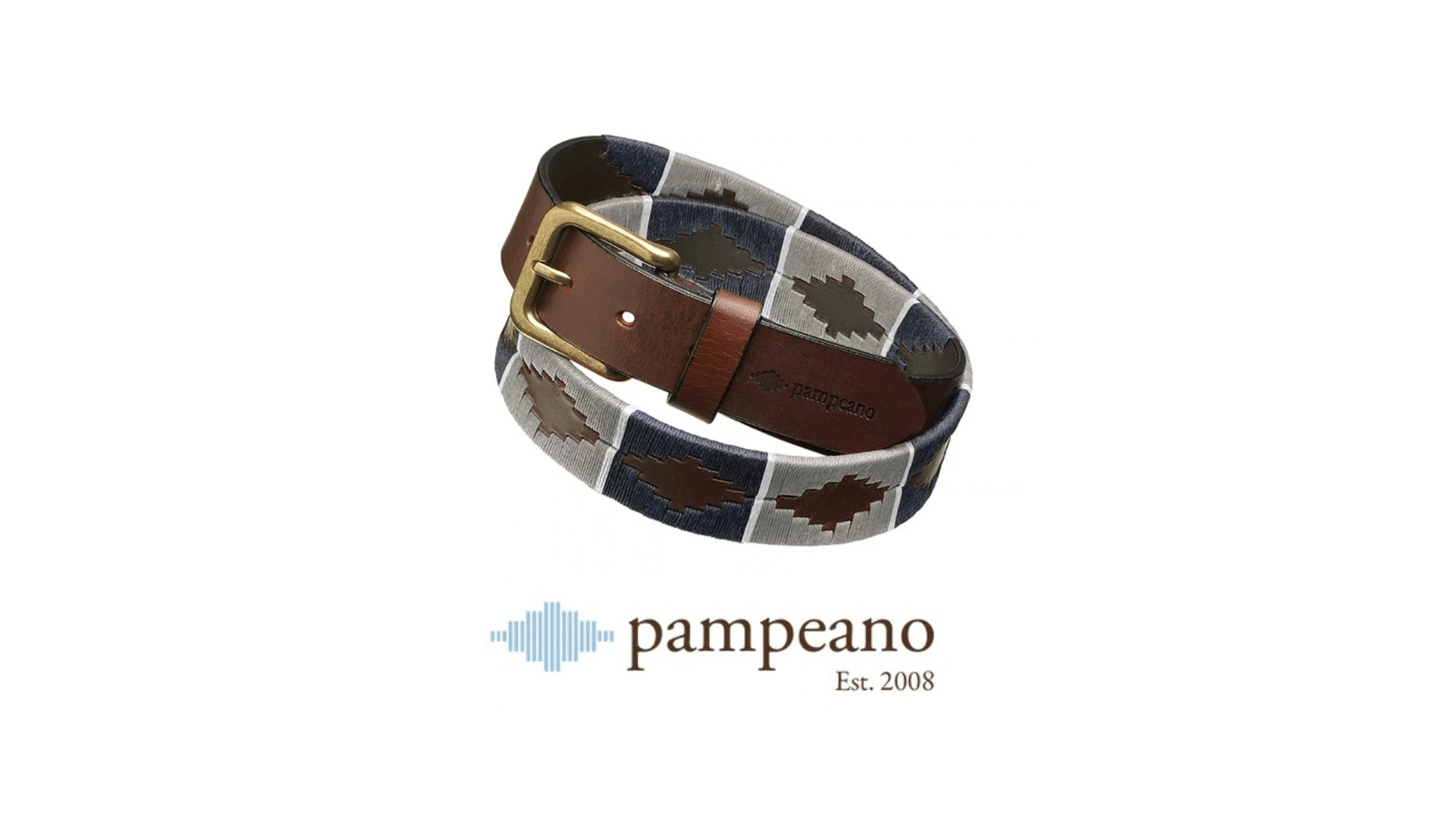
Black and various shades of brown remain the most practical choices simply because they’ll match the widest range of boots and everyday footwear. That said, plenty of riders like a belt with a bit more personality, whether that’s a woven pattern, a contrast stitch or a splash of colour that nods to team or stable colours. If you only want to own one belt, stick with mid-brown or black. If you fancy a second for best, that’s where you can afford to have a little more fun with it.

Caring for a Leather Belt
A well made leather belt rewards a little maintenance. Wipe off mud and dust regularly rather than letting it dry into the grain, and apply a leather conditioner every few months to stop the material drying out and cracking, particularly if it’s regularly exposed to rain or sweat from riding. Store it rolled or hung rather than folded tightly, since folding can crease the leather permanently over time.
A belt is never going to be the most exciting item on your yard shopping list, but it’s worth spending a bit of care over. Chosen well, a good leather belt will quietly outlast several seasons of tack cleaning, feeding routines and early starts, ageing far better than most synthetic alternatives ever could. Next time you’re restocking your yard essentials, it might be worth adding one to the list before your current one wears through completely.