
A comprehensive two-year study examining mud fever in horses across the UK has uncovered concerning patterns of antibiotic resistance, with penicillin proving ineffective in more than half of cases tested. The research, which analysed 76 horses diagnosed with Equine Pastern Dermatitis (EPD), could fundamentally change how veterinary professionals approach treatment of this painful and common condition.
The collaborative clinical study, conducted by 12 CVS Equine practices between 2022 and early 2024, represents one of the most extensive investigations into mud fever undertaken in the UK, addressing a significant gap in scientific understanding of a disease that affects thousands of horses annually.
Key Findings Challenge Current Treatment Approaches
The research identified 40 different bacterial species across the sample population, with three organisms proving most prevalent: Streptococcus dysgalactiae, Staphylococcus aureus and Escherichia coli. However, the study’s most significant finding centres on antimicrobial resistance patterns that could impact treatment decisions.
Penicillin, a commonly prescribed antibiotic for mud fever cases, demonstrated effectiveness in fewer than half of the cultured organisms tested. Additionally, 35.1% of bacterial colonies showed resistance to oxytetracycline, whilst 20.5% were resistant to TMPS (trimethoprim-sulfamethoxazole).
Understanding Equine Pastern Dermatitis
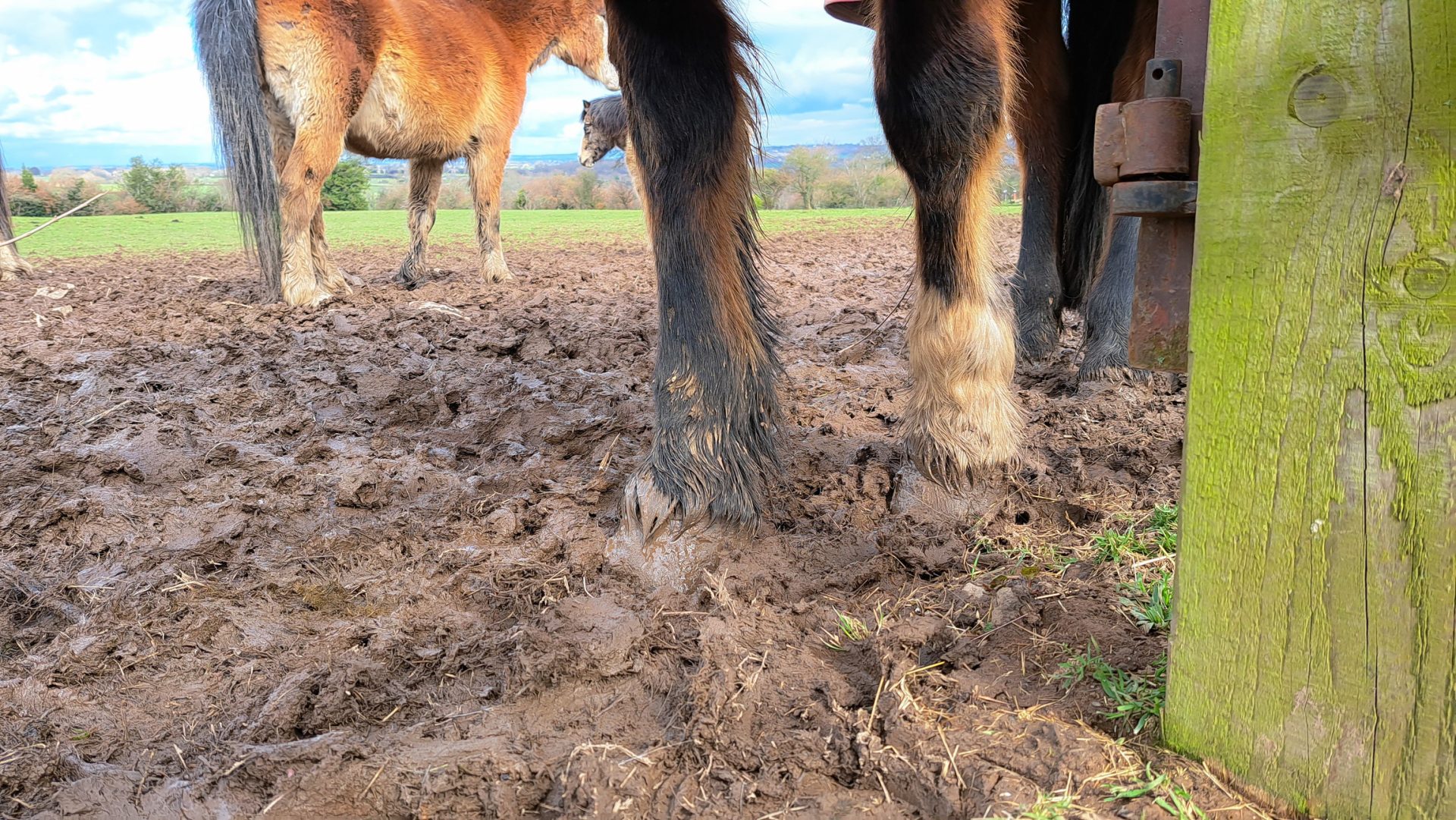
EPD, commonly known as “mud fever,” is a skin disease affecting the lower limbs of horses and ponies. The condition can have several underlying causes, including:
- Bacterial infection
- Parasite (mite) infestation
- Fungal infection (ringworm)
- Vasculitis (inflammation of blood vessels in the skin)
The disease typically occurs more frequently during winter months and is often associated with chronic wetting of the skin from rain and mud. White limbs appear more susceptible than pigmented limbs.
Clinical signs include redness of the skin, hair loss, crusting and oozing of serum. The lesions are painful, and affected horses may show lameness on the impacted limb or limbs.
Comprehensive Research Methodology
The study employed rigorous diagnostic protocols for each of the 76 cases, including:

- Full blood profile assessments
- Bacterial culture analysis of lesions
- PCR analysis for dermatophytes (ringworm fungi)
- Microscopy for ectoparasites (mites)
- Skin cytology
- Owner questionnaires on clinical presentations and management
- Photographic documentation
- Lesion grading and descriptive data recording
Data analysis characterised EPD presentation, identified common contaminants, determined risk factors for increased severity, and scrutinised culture and susceptibility data to identify bacterial resistance profiles.
What the Results Revealed
The research found that hindlimbs were most frequently affected, with lesions predominantly located in the pastern region. Common clinical signs included erythema (redness), scaling, localised oedema (swelling) and pruritus (itching).
Significantly, lesion samples showed minimal evidence of dermatophyte involvement or ectoparasitism, suggesting bacterial infection plays a more substantial role than previously understood in many cases.
Collectively, 185 bacterial colonies originated from the 76 samples, representing 40 distinct bacterial species across the sample population.
Implications for Treatment and Management
Charlotte Sinclair, CVS Equine Development Lead, commented on the study’s significance: “Equine pastern dermatitis is such a common disease of horses and ponies in the UK. And with wetter weather becoming more prevalent, it’s only expected to increase.
“We want to be able to offer the best treatment and management advice for horses suffering this condition. But research into this condition has been sparse and the evidence-base for the range of treatments offered has been similarly lacking.”
She added: “Our analysis of 76 cases over two years has highlighted the multifaceted nature of EPD – both in terms of its clinical presentation and severity and its potential aetiologies. Our results show several commonly implicated organisms, however further research is required to determine their clinical significance to EPD.
“We really hope that our work will lead to significant improvements in treatment and preventative healthcare for horses prone to this painful disease. The information this study provides on resistance patterns may help to guide antimicrobial use when treating these cases, to help improve antimicrobial stewardship.”
Moving Forward
The research addresses a critical knowledge gap in equine veterinary medicine. Despite mud fever being a common condition, very little research has been undertaken into EPD in the UK, and numerous different treatments are currently used without robust scientific evidence supporting their efficacy.
The findings are expected to help inform equine clinicians and owners on how to better treat and manage these cases in the future, with particular emphasis on appropriate antimicrobial selection based on resistance profiles.
CVS Group operates across small animal, farm animal, equine and laboratories, with over 500 veterinary practices, referral centres and sites in the UK and Australia. In the last five years, the company has invested nearly £80 million in its sites, facilities and equipment, in addition to industry-leading training and support.
Study Notes:
[i] 12 CVS Equine practices participated
[ii] PCR: Polymerase Chain Reaction
[iii] Descriptive data relating to lesions was recorded
[iv] Hindlimbs were most affected
[v] Minimal evidence of dermatophyte involvement
[vi] Minimal evidence of ectoparasitism
[vii] Streptococcus dysgalactiae most prevalent
[viii] Staphylococcus aureus second most prevalent
[ix] Escherichia coli third most prevalent
[x] Less than half of cultured organisms demonstrated susceptibility to penicillin