
British Eventing (BE) has announced the launch of the British Eventing Engineering Innovation Prize, a new initiative designed to encourage university students to develop practical engineering solutions that could improve safety on the cross-country phase.
The project, led by British Eventing and funded by a grant from the British Eventing Support Trust, will invite final-year engineering and design students from selected UK universities to create innovative safety systems for cross-country fences. The aim is to help reduce the risk of rotational horse falls, which remain one of the sport’s most serious safety concerns.
Building on two decades of safety research
For more than 20 years, British Eventing has invested in cross-country safety research, including collaborations with the University of Bristol and the Transport Research Laboratory. This work has explored the specific mechanics of rotational falls, particularly when a horse’s forehand or chest makes contact with the leading edge of a solid fence.
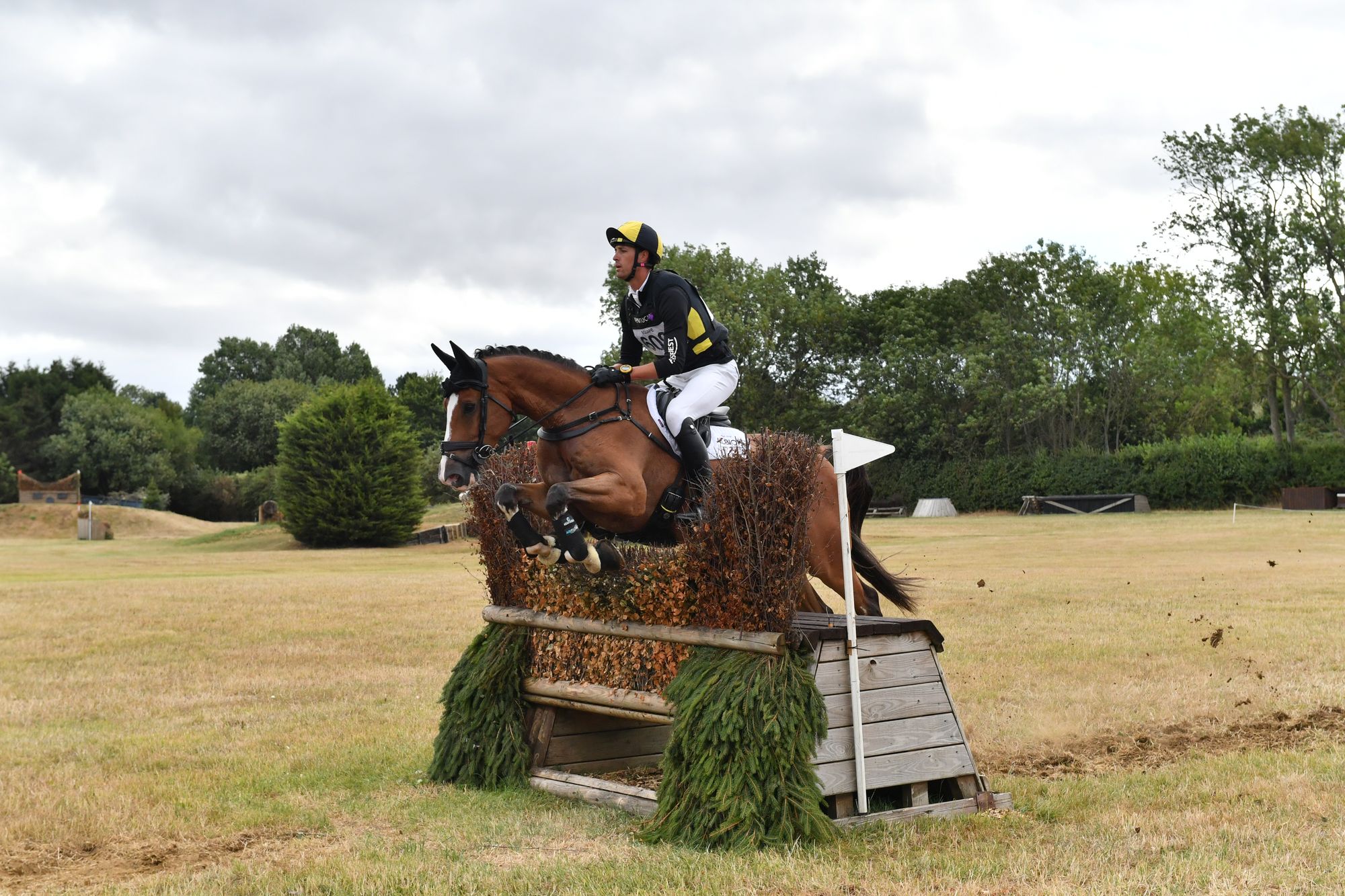
While frangible technology has improved safety at certain fence types, BE says there is still limited adaptable technology for obstacles such as tables, oxers, corners and brush fences. The Engineering Innovation Prize has been created to address these gaps by encouraging new thinking from emerging engineers.
What students will be asked to design
The initiative will run for 12–18 months, allowing universities to integrate the project into their academic timelines. Participating departments are expected to include mechanical engineering, sports engineering, materials science and design engineering.

Entrants will be challenged to create new or improved deformable or frangible fence systems that meet or exceed current BE and FEI safety standards. BE has said designs should:
- Work with standard timber fence construction
- Be resilient in outdoor competition environments
- Be practical to reset efficiently between competitors
- Be affordable and suitable for broad adoption across the BE fixture network
Shortlisted teams will receive support from a dedicated British Eventing management team, including technical and safety specialists. They will also be given access to BE’s safety research archive and historical data, plus insight into course design, fence construction and competition demands. Where appropriate, students may be able to visit events and speak directly with course builders and officials to understand real-world requirements.
Prize fund and timeline confirmed
A total prize fund of £10,000 has been confirmed, with awards planned for the winner, runner-up and highly commended entries. BE also confirmed that funds raised during the British Eventing Support Trust Winter Ball — where supporters contributed £15,000 towards the project — will support wider delivery, including academic oversight, prototype testing and administration.

The competition is due to launch publicly in late 2025, with initial concept submissions due in June 2026. A mentored development phase will follow, with final presentations scheduled for June 2027.
What British Eventing has said
Rosie Williams OBE, CEO of British Eventing, said:
“I am excited about this innovation and grateful to the British Eventing Support Trust for their financial funding. We are constantly looking at the safety of our sport with fresh eyes, and are looking forward to engaging with the best universities working in mechanical engineering, sports science, materials expertise and design. This work will take time, and we hope to see meaningful developments over the next 12–18 months.”
Ian Stark OBE, Chair, Board of Trustees of the BE Support Trust, added:
“The partnership between British Eventing and the BE Support Trust reflects our shared commitment to continually improving safety within our sport. The new Innovation Prize is an inspiring step forward. It encourages the next generation of engineers and sports scientists to explore bold, creative solutions that could significantly reduce the risk of falls and improve safety for both horses and riders.”
Looking ahead
British Eventing said winning concepts may progress into field trials and potential future implementation across the BE circuit, forming part of its long-term strategy to continue improving cross-country safety and engage the wider engineering community in shaping the sport’s future.